Mozart's Mentorship: Shaping Hummel's Musical Foundation
Vienna, Austria
Music
4 min read
Updated By: History Editorial Network (HEN)
Published:
Updated:
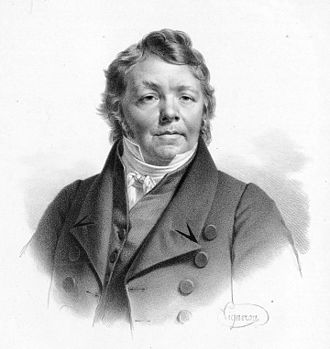
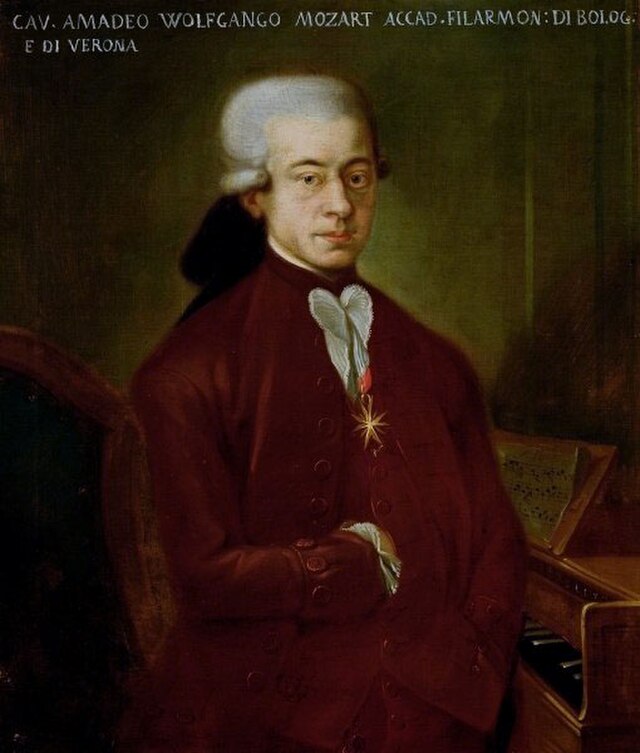
In 1786, Wolfgang Amadeus Mozart accepted eight year old Johann Nepomuk Hummel as a pupil and invited him to live in his Vienna household, creating the only known instance of Mozart taking a full time resident student. Hummel, born in 1778 in Pressburg, showed early musical talent, and his father Josef Hummel, a musician and theater director, brought him to Vienna seeking instruction. Mozart agreed to teach the child and reportedly provided lessons without charging tuition, allowing Hummel to remain in the family home for an extended period.
The arrangement lasted roughly two years, from 1786 to 1788. During this time, Hummel received instruction in keyboard playing, improvisation, composition, and performance practice. He also had opportunities to observe Mozart’s working methods and domestic musical life. Contemporary accounts indicate that Mozart introduced the young musician to Viennese audiences, and Hummel later embarked on a European tour accompanied by his father. The period with Mozart formed the earliest stage of Hummel’s formal musical education.
Hummel later became a composer, pianist, and teacher whose career extended into the early nineteenth century. His style incorporated Classical clarity associated with Mozart alongside more expansive keyboard writing that influenced later composers. The years spent in Mozart’s household between 1786 and 1788 therefore placed him in direct contact with one of the leading figures of the Classical era during his formative childhood training.
Why This Moment Matters
The 1786 to 1788 residency created a direct pedagogical link between Mozart and Hummel, connecting late eighteenth century Viennese practice with musicians active in the early nineteenth century.
#Mozart
#Hummel
#ClassicalMusic
#MusicHistory
#ComposerHistory
Primary Reference
Johann Nepomuk Hummel
Explore the Life Moments of
 AI Twin