Mozart's "Jeunehomme" Concerto: Innovative, Sophisticated, and Groundbreaking in Classical Music History
Austria
Music
Art
4 min read
Updated By: History Editorial Network (HEN)
Published:
Updated:
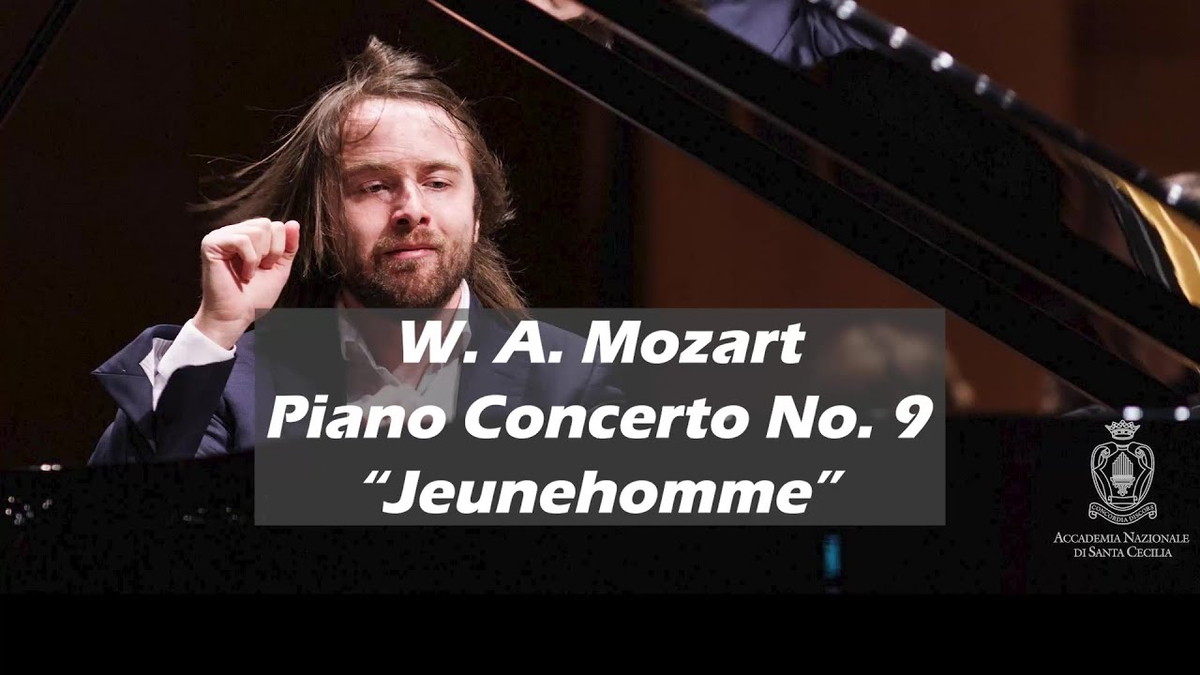
In 01/1777, Wolfgang Amadeus Mozart completed his Piano Concerto No. 9 in E-flat major, K. 271, often referred to as the “Jeunehomme” concerto. Written in Salzburg, the work was composed for a visiting pianist traditionally identified as Louise Victoire Jenamy, whose surname was historically misread as “Jeunehomme.” The concerto represents a notable development in Mozart’s approach to the piano concerto, with expanded dialogue between soloist and orchestra and structural features that depart from earlier models.
The opening movement begins unusually, with the solo piano entering almost immediately after the orchestral introduction, rather than waiting for a full orchestral exposition. This early entrance sets a conversational tone between piano and orchestra throughout the work. The second movement shifts to C minor, creating a contrasting emotional character before the final movement returns to E-flat major. The finale incorporates variations and a contrasting slow section, adding structural variety. These features distinguish the concerto from Mozart’s earlier keyboard concertos, which followed more conventional patterns.
Composed when Mozart was 20 years old, the concerto predates his departure from Salzburg later in 1777. It stands among his final works written before he began his extended journey through Munich, Augsburg, Mannheim, and Paris in search of employment. The completion in January 1777 therefore falls at the end of Mozart’s early Salzburg period and before his travels later that year.
Why This Moment Matters
The completion of K. 271 in January 1777 shows Mozart expanding the piano concerto form with earlier solo entry, contrasting movements, and integrated orchestral dialogue.
#Mozart
#Jeunehomme
#PianoConcerto9
#Mozart1777
#MusicHistory
Explore the Life Moments of
 AI Twin