Mozart's Innovative Violin Concertos: A Legacy of Structural Sophistication and Melodic Inventiveness
Salzburg, Archbishopric of Salzburg, Austria
Entertainment
Music
4 min read
Updated By: History Editorial Network (HEN)
Published:
Updated:
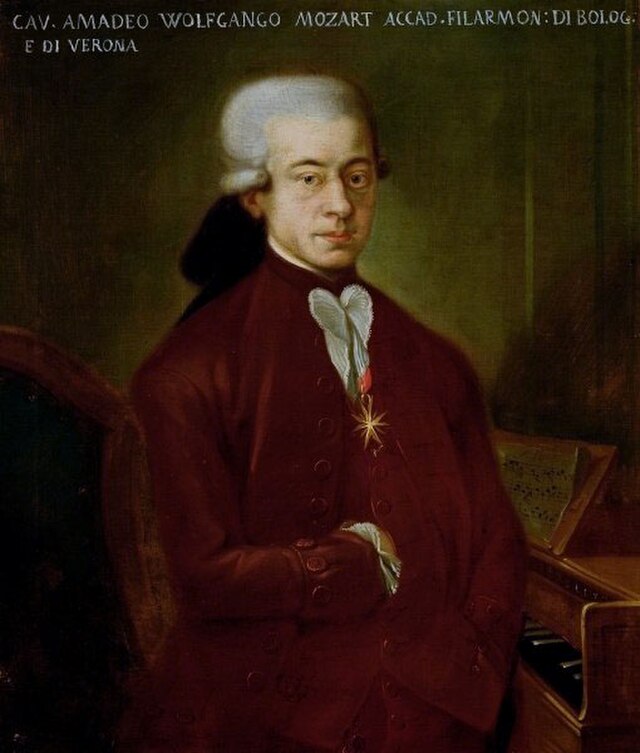
In 1775, Wolfgang Amadeus Mozart, aged 19 and serving as Konzertmeister in Salzburg, produced the bulk of his violin concerto output in a concentrated period often described as his “year of the violin.” While 01/04/1775 is sometimes cited as the approximate beginning of this productive phase, Mozart’s surviving autographs show that the principal concertos from this period were composed between June and December 1775. These works reflect his responsibilities as concertmaster, where he likely performed as soloist while leading the Salzburg court orchestra.
The four concertos from 1775 form a rapid sequence of stylistic development. Violin Concerto No. 2 in D major, K. 211, dated 14/06/1775, expands orchestral dialogue and solo writing. Violin Concerto No. 3 in G major, K. 216, dated 12/09/1775, features a lyrical slow movement and a finale associated with “Strassburg” style rhythms. Violin Concerto No. 4 in D major, K. 218, dated 10/10/1775, introduces martial rhythmic figures and increased virtuosity. Violin Concerto No. 5 in A major, K. 219, dated 20/12/1775, concludes the set with a finale containing a contrasting “Turkish” episode marked by abrupt changes in tempo and character.
Mozart’s Violin Concerto No. 1 in B-flat major, K. 207, composed earlier in 1773, stands outside this concentrated period. Together, the five concertos show Mozart’s development from earlier models toward more sophisticated Classical concerto structures. After 1775, Mozart did not compose additional violin concertos, instead focusing increasingly on keyboard concertos and other forms. The 1775 sequence therefore represents his principal contribution to the violin concerto genre.
#Mozart
#ViolinConcertos
#Mozart1775
#Salzburg
#ClassicalMusic
Explore the Life Moments of
 AI Twin