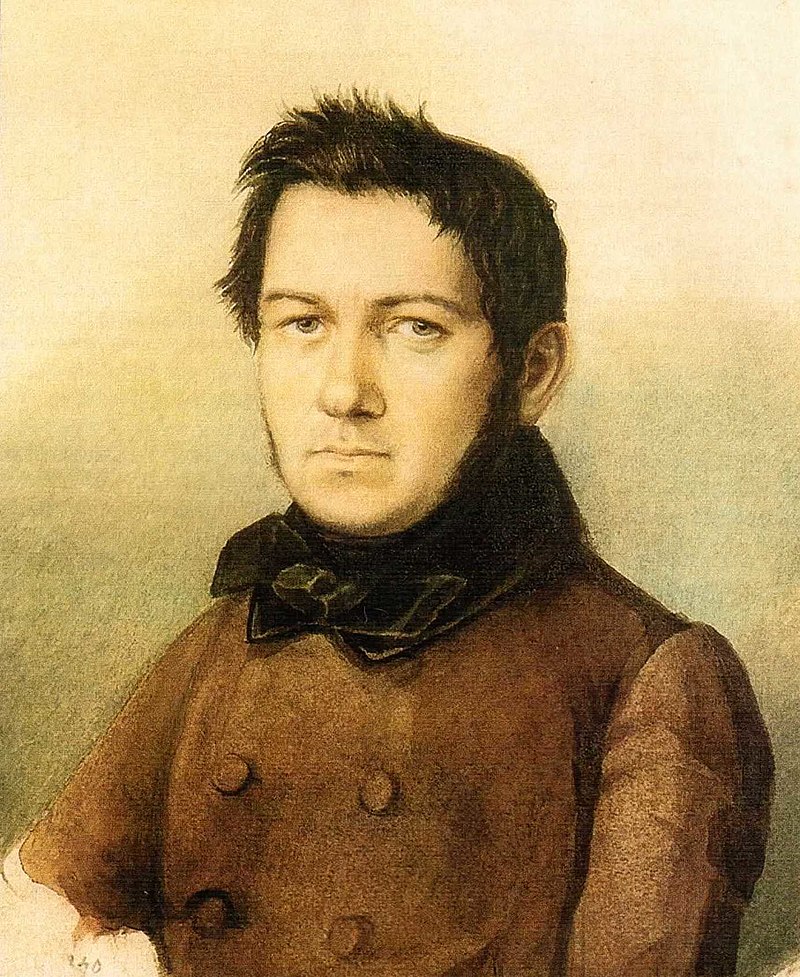
Mikhail Glinka's 'Variations on a Theme from The Magic Flute': Blending Russian and European traditions.
Location: Russian Empirel
Entertainment
Music
5 min read
Updated By: History Editorial Network (HEN)
Published:
Updated:
In 1822, at the age of 18, Mikhail Glinka composed Variations on a Theme from The Magic Flute, an early work that reflects his engagement with Western European musical traditions. The composition is based on a theme from Wolfgang Amadeus Mozart’s opera Die Zauberflöte (The Magic Flute), which premiered in 1791. Rather than directly transcribing Mozart’s material, Glinka adapted and reshaped the theme to suit his own developing compositional style, marking one of his first documented attempts to reinterpret established Classical repertoire.
The structure of the piece follows the traditional theme-and-variations format common in the late 18th and early 19th centuries. It begins with a brief, chordal introduction that sets a formal tone before presenting the theme. This is followed by a sequence of variations that explore different technical and expressive possibilities, including changes in tempo, texture, and ornamentation. The work concludes with a more elaborate and technically demanding finale, demonstrating Glinka’s early command of pianistic writing.
Originally written for piano, the composition was revised by Glinka in 1827, reflecting his continued refinement of the work during his early career. Although composed before his major operatic achievements, this piece illustrates his familiarity with European compositional models at a formative stage. Over time, it has been adapted and performed in different instrumental settings, including harp, and remains part of recital repertoire.
Glinka’s Variations on a Theme from The Magic Flute provides insight into the early development of a composer who would later play a central role in shaping Russian classical music. By working within established European forms while introducing subtle personal elements, Glinka demonstrated an approach that would continue to evolve in his later compositions.
Why This Moment Matters:
This early composition shows Glinka working within established European forms before his later operas, offering a clear example of how his exposure to Mozart and other composers informed the techniques he would later develop in Russian musical contexts.
#MusicHistory
#ClassicalMusic
#MikhailGlinka
#Mozart
#OperaInfluence
#MoofLife
Primary Reference
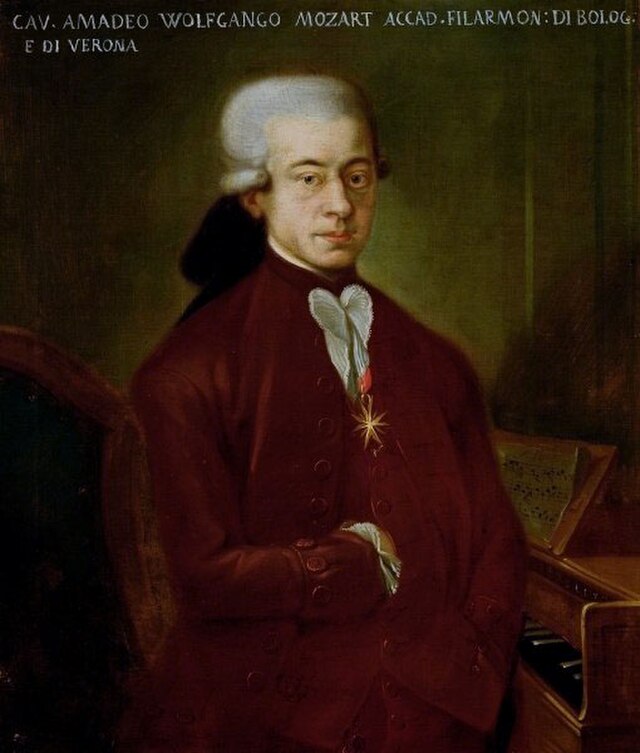
Wolfgang Amadeus Mozart
Explore the Life Moments of
 AI Twin