Legacy of Wolfgang Amadeus Mozart: Influential composer's death marked end of classical era; enduring impact today.
Vienna, Austria
Entertainment
Music
4 min read
Updated By: History Editorial Network (HEN)
Published:
Updated:
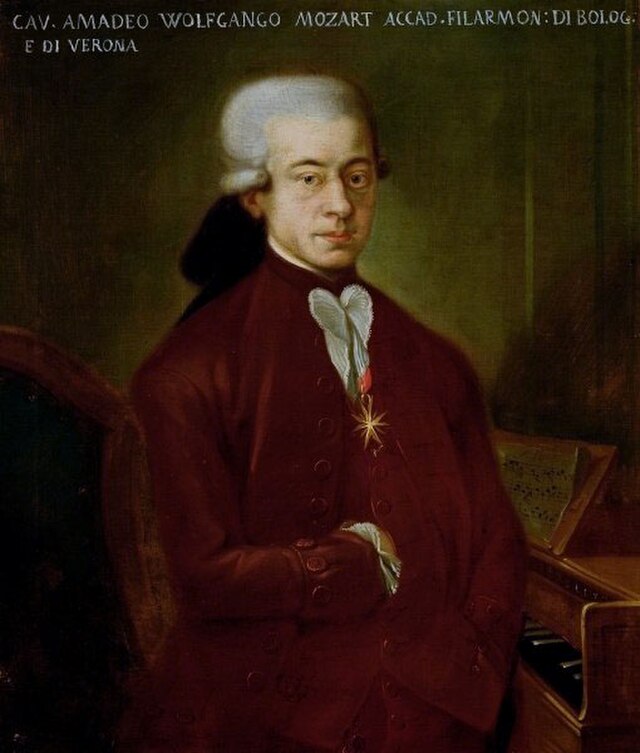
Mozart passed away in Vienna, bringing an end to the life of one of the most influential composers of the classical era. By this time, Mozart had composed over 600 works, including symphonies, operas, chamber music, and choral pieces. His compositions were notable for their complex structures, technical sophistication, and emotive qualities, significantly shaping Western music traditions.
In Vienna, Mozart had experienced both professional achievements and personal challenges. While he enjoyed considerable fame and was widely recognized for his musical genius, he also grappled with financial difficulties and health issues. At the time of his death, he was working on the famed Requiem Mass in D minor, which remains one of his most enduring and mysterious pieces. The Requiem was left unfinished, and there has been much debate and speculation about its completion by his student Franz Xaver Süssmayr.
The impact of Mozart's death was profound. His passing marked the end of an era in classical music and left a void that was felt deeply in the music community. Scholars and musicians continue to study his works, and his compositions are performed regularly around the world. The influence of his music extends beyond classical traditions, resonating in various genres and continuing to inspire artists and composers.
Despite his struggles, Mozart's legacy is characterized by his extraordinary contribution to music. His innovative compositions set new standards for musical expression and technical mastery. The circumstances of his death, coupled with his relatively young age, have added to the mystique and reverence surrounding his persona.
#Mozart
#MusicHistory
#ClassicalMusic
#Vienna
#MusicalLegacy
Primary Reference
The death of Wolfgang Amadeus Mozart: an epidemiologic ...
Explore the Life Moments of
 AI Twin