Chopin's Genius Through Variations on Mozart: A Musical Triumph in Complexity and Brilliance
Location: Warsaw, Poland / Vienna, Austria
Arts
Music
8 min read
Updated By: History Editorial Network (HEN)
Published:
Updated:
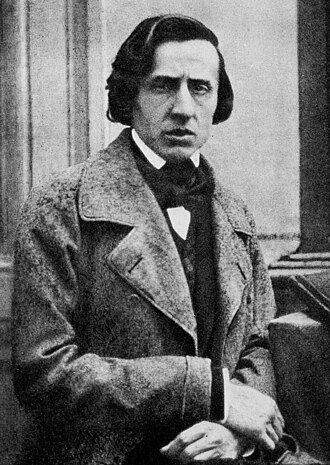
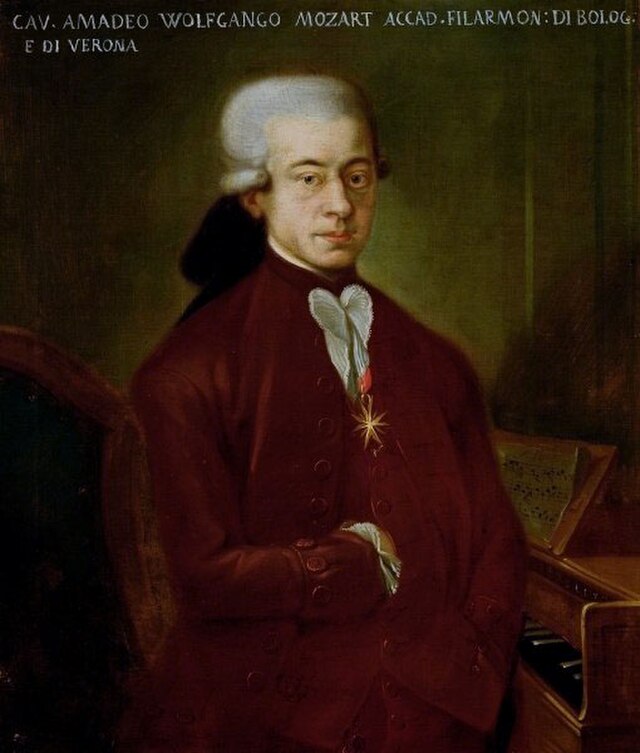
Frédéric Chopin composed Variations on “Là ci darem la mano,” Op. 2 between 1827 and 1828, drawing on the duet from Wolfgang Amadeus Mozart’s opera Don Giovanni, first performed in 1787. Written when Chopin was still a student at the Warsaw Conservatory under Józef Elsner, the work reflects his early development as a composer and pianist. It is scored for piano and orchestra and is among Chopin’s first published compositions, later issued in 1830. The piece takes Mozart’s well-known duet theme and expands it into a structured set of variations that combine Classical clarity with emerging Romantic expression.
The composition opens with an orchestral introduction that presents the theme, after which the piano enters and leads through a sequence of variations. In total, the work includes six variations and a concluding finale. Each variation introduces changes in tempo, texture, and technical demands, gradually increasing in complexity. Chopin employs ornamentation, rapid passagework, and contrasting moods, demonstrating both his pianistic skill and his sensitivity to melodic development. The interplay between soloist and orchestra reflects the influence of earlier Classical concerto forms while allowing greater expressive freedom in the piano writing.
The piece gained wider attention following its publication and early performances in Vienna in 1829. German composer and critic Robert Schumann reviewed the work in 1831 in the Allgemeine musikalische Zeitung, where he wrote the widely quoted remark, “Hats off, gentlemen, a genius!” This statement contributed to Chopin’s growing recognition in European musical circles. At the time, Chopin was beginning to establish himself outside Poland, and the success of this work helped introduce his compositional style to a broader audience.
Variations on “Là ci darem la mano” remains part of the piano and orchestra repertoire and is noted for its combination of Mozart’s thematic material with Chopin’s early Romantic idiom. The work illustrates how a young composer engaged with established Classical sources while developing an individual musical voice, particularly through expressive phrasing and virtuosic piano techniques.
● Frédéric Chopin, a young and talented composer, found inspiration in Mozart's opera Don Giovanni to create his Variations on 'Là ci darem la mano'. The piece was composed early in Chopin's career and demonstrated his budding genius. Chopin took the well-known duet from the opera and transformed it through a series of six variations for piano and orchestra. This composition showcases his ability to combine lyrical melodies with intricate piano virtuosity.
During this period, Chopin was studying at the Warsaw Conservatory under Józef Elsner, who recognized his student's extraordinary talent. Chopin's work on the variations helped him gain recognition beyond Poland. Notably, Robert Schumann, a prominent German composer and critic, famously praised the piece with the words, "Hats off, gentlemen, a genius!" Schumann's endorsement played a crucial role in promoting Chopin's music in Europe.
The piece itself exemplifies Classical stylistic elements while hinting at the Romantic era's expressive potential. Each variation is distinct, featuring shifts in character and mood, showcasing Chopin's compositional versatility. The work begins with a theme presented by the orchestra and is followed by successive variations where the piano takes the lead, each increasing in complexity and brilliance.
Chopin's Variations on 'Là ci darem la mano' remains a noteworthy contribution to the piano and orchestra repertory, reflecting its dual roots: the Classical foundations laid by Mozart and the innovative spirit of the emerging Romantic style. The composition bridged musical traditions, helping to establish Chopin as a significant figure in music history.
#Chopin
#Mozart
#ClassicalMusic
#PianoVirtuoso
#MusicalInnovation
Primary Reference
Frédéric Chopin
Explore the Life Moments of
 AI Twin