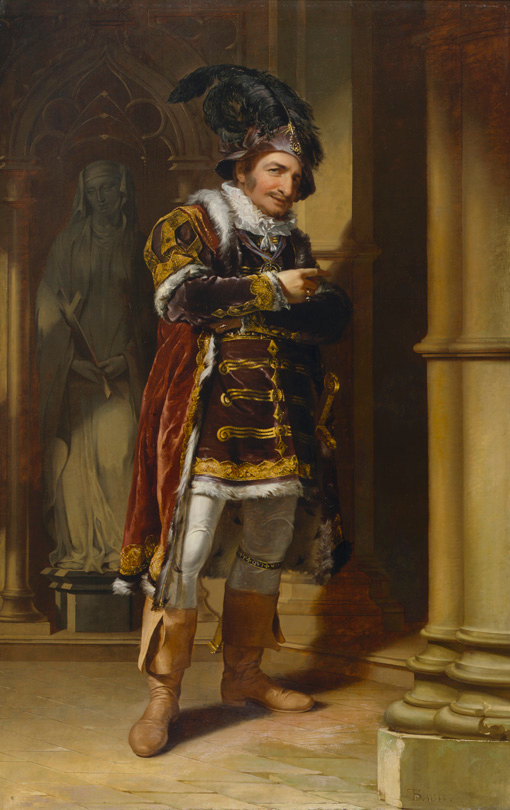
William Shakespeare's Richard III: A Complex Historical Drama of Power, Deception, and Morality
United KIngdom
Literature
4 min read
Updated By: History Editorial Network (HEN)
Published:
Updated:
William Shakespeare wrote Richard III during a period of intense creativity and productivity in his career. This play is part of his series of historical dramas, which explores the complexities of English history and leadership. Set in the aftermath of the War of the Roses, Richard III depicts the Machiavellian rise to power and short reign of King Richard III of England. Shakespeare's source material for this drama was primarily Raphael Holinshed's Chronicles and Thomas More's account of Richard III, which provided the historical framework for his work.
Richard III is often noted for its portrayal of the titular character as a cunning, ruthless, and manipulative monarch. Shakespeare's depiction of Richard III contributed to the popular negative image of the king, often described as a villainous usurper with a physical deformity. This portrayal has been influential, shaping both historical and cultural perceptions of Richard III throughout subsequent centuries.
The play stands out for its intense psychological complexity and rich language. Richard III's opening soliloquy, "Now is the winter of our discontent," is one of the most famous speeches in English literature. The drama deeply examines themes such as the nature of power, legitimacy, and morality.
Richard III is one of Shakespeare’s earliest works to illustrate his talent for creating intricate, multifaceted characters and engaging narrative structures. It further solidified his reputation as a playwright capable of blending historical fact with compelling fiction. The play has been widely performed and adapted over the years, illustrating its enduring relevance.
#WilliamShakespeare #RichardIII #HistoricalDrama #Theatre #Literature #EnglishHistory #MoofLife
Primary Reference
William Shakespeare

Explore the Life Moments of
 AI Twin