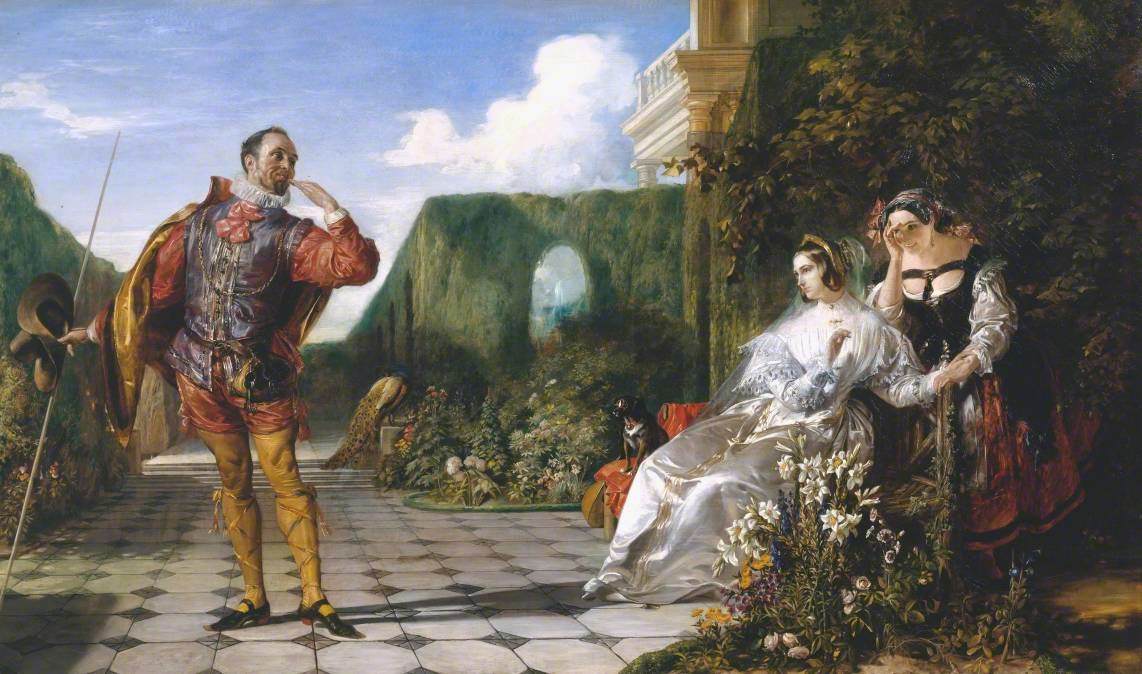
Shakespeare's "Twelfth Night": A Timeless Comedy of Mistaken Identities and Romantic Entanglements
United KIngdom
Entertainment
Literature
4 min read
Updated By: History Editorial Network (HEN)
Published:
Updated:
During the early 1600s, William Shakespeare wrote the play "Twelfth Night," a comedy centered on mistaken identities and romantic entanglements. The play features the shipwrecked Viola, who disguises herself as a man named Cesario, leading to a series of misunderstandings and comedic situations.
"Twelfth Night" is classified as one of Shakespeare's most admired comedies. Its celebration of festive humor and its exploration of themes such as love, identity, and the complexities of human emotion have made it a timeless piece in theatrical history. The play was performed at the Middle Temple Hall, one of the Inns of Court in London, which catered to a distinguished audience, including lawyers and law students. This choice of venue reflects the mingling of Shakespeare's works with high society and the intellectual elite of the time.
The impact of "Twelfth Night" extends beyond its initial audience. Its linguistic creativity contributed to the evolution of the English language, and its performances allow insights into Elizabethan societal norms. Reflecting the era's fascination with gender fluidity and disguise, the play remains relevant and is frequently studied and performed worldwide, showcasing Shakespeare's ability to capture universal human experiences.
Shakespeare's prolific output during this period is noteworthy, with "Twelfth Night" standing out for its structure and character development. The play employs cross-dressing and music, both hallmarks of his comedic style. The production has influenced numerous adaptations across various media, from stage to film to literature, testifying to its enduring legacy.
#Shakespeare #TwelfthNight #MistakenIdentity #RomanticComedy #TheaterHistory #MoofLife
Primary Reference
Gl'Ingannati and Twelfth Night
Explore the Life Moments of
 AI Twin