Shakespeare's "The Comedy of Errors": Farcical classic influenced English comedy, showcasing his early talent.
United KIngdom
Literature
Entertainment
4 min read
Updated By: History Editorial Network (HEN)
Published:
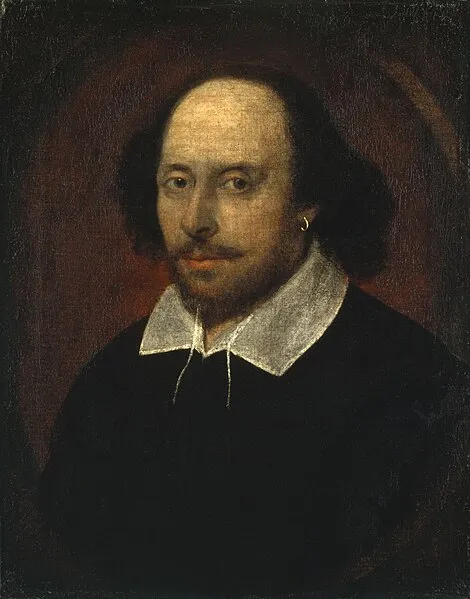
William Shakespeare, an English playwright and poet, composed "The Comedy of Errors" during the period of 1594-1595. This play, noted for its farcical and comedic elements, drew heavily from classical Roman comedies, particularly from the works of Plautus. In crafting "The Comedy of Errors," Shakespeare utilized the ancient model of mistaken identities and a series of misunderstandings, central themes in the genre of comedy he aimed to emulate.
The narrative focuses on two sets of identical twins separated at birth. Their accidental encounters in the city of Ephesus lead to a cascade of comedic situations. This play is one of Shakespeare’s shortest and introduces audiences to his early experimentation with intricate plotting and character dynamics. With the exploration of themes such as family, mistaken identity, and reunion, "The Comedy of Errors" resonated with Elizabethan audiences due to its lively pace and humor.
The impact of "The Comedy of Errors" on the theatrical world was significant. It showcased Shakespeare’s growing mastery of the playwright’s craft, combining sophisticated comedic devices with a structured yet engaging storyline. His work contributed to the popularity of the Elizabethan theatre, drawing considerable audience engagement and laying the foundations for his later, more renowned comedies.
Furthermore, "The Comedy of Errors" informed the development of English comedy by blending classical influences with contemporary Elizabethan humor, setting a standard for future playwrights. The play’s revival over centuries highlights its enduring appeal and the effectiveness of its comedic formula.
#Shakespeare #TheComedyOfErrors #ElizabethanTheatre #ClassicInfluences #MistakenIdentity #FarcicalComedy #Plautus #Playwriting #MoofLife
Primary Reference
The Comedy of Errors - Wikipedia
Explore the Life Moments of
 AI Twin