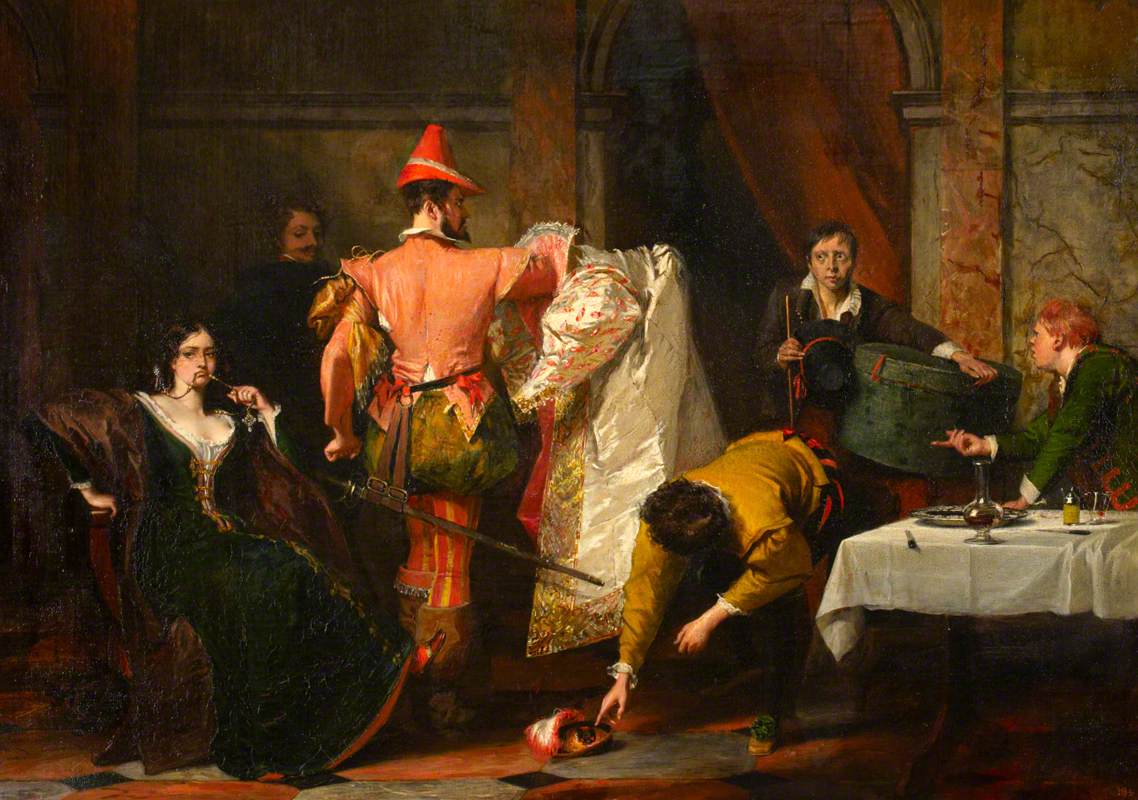
Shakespeare's 'Taming of the Shrew' explores marriage, gender roles, power dynamics, and societal expectations.
United KIngdom
Entertainment
Literary
3 min read
Updated By: History Editorial Network (HEN)
Published:
Updated:
During a prolific period in his career, William Shakespeare composed 'The Taming of the Shrew,' a work that delves into themes of marriage and gender roles. The play presents the tumultuous relationship between Petruchio and Katherina, and examines the dynamics of power and control within their marriage. The narrative portrays Katherina, the 'shrew,' as a rebellious woman who challenges societal norms, only to undergo a transformation under Petruchio's assertive tactics.
'Taming of the Shrew' held a mirror to the contemporary Elizabethan society, highlighting the expectations and limitations placed on women. The comedy, through its humor and wit, engaged audiences while also prompting them to reflect on the institution of marriage and the societal roles assigned to genders.
The play's structure, characterized by an induction, several acts, and interwoven subplots, exemplifies Shakespeare's innovative approach to theater. Critics argue that the complexity of its themes and characterization has contributed to its lasting appeal and scholarly debate.
This work reflects the broader context of the Renaissance period, where discussions around humanism and individual agency were prominent. The themes resonate with ongoing conversations about gender politics, making the play relevant across centuries.
#MoofLife #TamingOfTheShrew #GenderRoles #Marriage #Shakespeare
Primary Reference
The Taming of the Shrew - Wikipedia

Explore the Life Moments of
 AI Twin