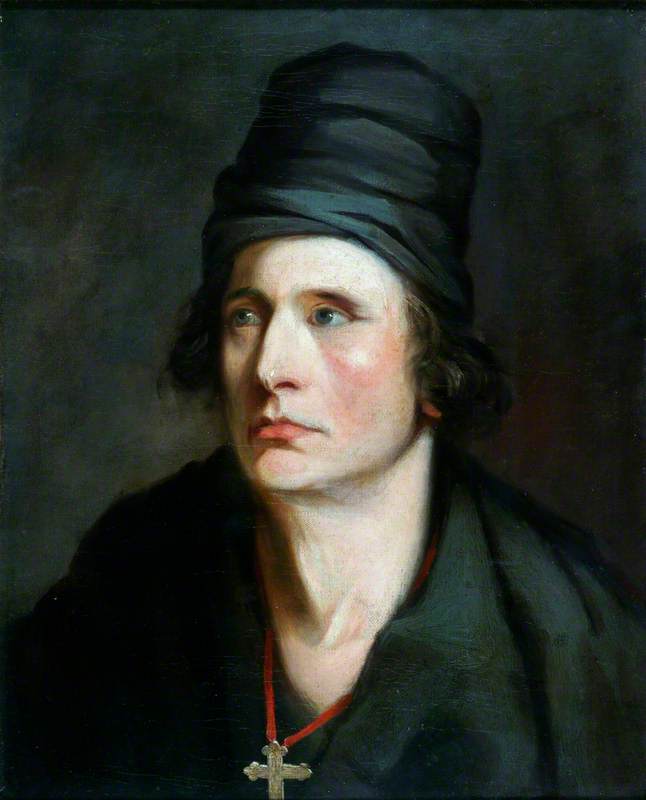
Shakespeare's "Measure for Measure" explores moral dilemmas and challenges societal norms in complex ways.
United KIngdom
Literature
Ethics
4 min read
Updated By: History Editorial Network (HEN)
Published:
Updated:
William Shakespeare completed the writing of "Measure for Measure" during a period of significant output and transition. This play is often categorized as one of his "problem plays" due to its exploration of complex moral and ethical issues. The narrative delves into the themes of justice, mercy, and the dichotomy between corruption and purity.
"Measure for Measure" presents a society grappling with legal and ethical decay, where authority figures are scrutinized and moral absolutism is challenged. The characters in the play, including Duke Vincentio, Isabella, and Angelo, navigate a series of moral quandaries that reflect the societal tensions of Shakespeare's time. The Duke disguises himself as a friar to observe the actions of his subjects, testing the rigidity and hypocrisy of Vienna's legal structure.
The play’s engagement with controversial topics such as power abuse, sexual coercion, and the conflict between public duty and private desires stirred diverse interpretations and critiques. These layered complexities make "Measure for Measure" a subject of extensive academic analysis and discussion. The play has been examined for its reflection of early modern attitudes towards law and morality, providing insight into the societal framework of the era.
"Measure for Measure" had a long-lasting impact on literature and theater, prompting discussions that remain relevant in analyses of legal philosophy and ethical governance. Its ambiguous resolution, where wrongdoers are pardoned and justice is tempered with mercy, raises essential questions about the nature of justice and the role of authority.
#Shakespeare #Theater #Literature #ProblemPlay #MoralIssues #MeasureForMeasure #JusticeVsMercy #MoofLife
Explore the Life Moments of
 AI Twin