Shakespeare's Last Play: Themes of Power, Betrayal, and Forgiveness in "The Tempest"
United KIngdom
Entertainment
Literature
4 min read
Updated By: History Editorial Network (HEN)
Published:
Updated:
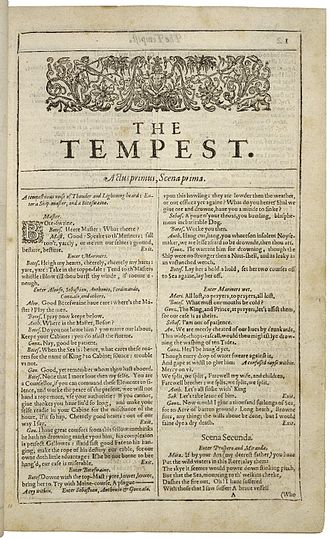
In the early 17th century, William Shakespeare composed the play "The Tempest," which is often regarded as his final major work for the stage. This play is notable for its combination of mystical elements, the themes of political intrigue, and the exploration of human emotion through the narrative of betrayal and forgiveness.
"The Tempest" centers around the character of Prospero, the rightful Duke of Milan, who is overthrown and cast away on a remote island with his daughter, Miranda. Utilizing his command over magical powers, Prospero orchestrates events on the island to bring about a resolution to his long-standing grievances. Through this character, Shakespeare delves into the complexities of power, control, and grace.
The play also introduces a variety of other intriguing characters, including the spirit Ariel and the creature Caliban, each representing different facets of servitude and rebellion. The interplay between human emotions and supernatural elements serves to underscore broader philosophical and ethical questions.
Shakespeare’s decision to weave themes of reconciliation and forgiveness through the narrative of "The Tempest" allowed it to resonate deeply with audiences, reflective perhaps of Shakespeare's own contemplation of his career and the nature of his departure from the stage. The concluding lines, delivered by Prospero, can be seen as Shakespeare’s personal farewell to his audience.
"The Tempest" holds a significant place in the literary canon, frequently studied and performed, and continues to be a subject of academic analysis, reflecting its impact on English literature and drama.
#MoofLife #WilliamShakespeare #TheTempest #Literature #Theater #HumanEmotion #MagicAndBetrayal
Primary Reference
The Tempest - Wikipedia

Explore the Life Moments of
 AI Twin