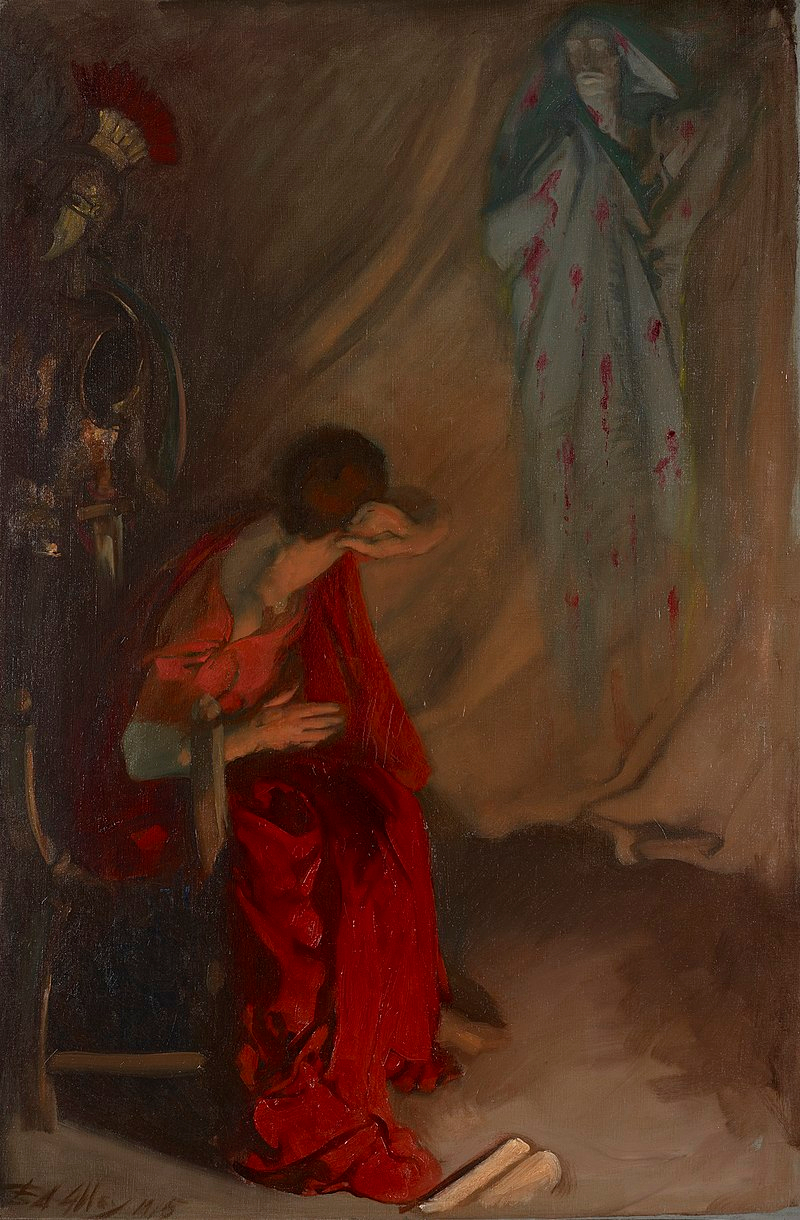
Shakespeare's "Julius Caesar": Political intrigue, power struggles, and ethical dilemmas in Roman history.
United KIngdom
Art
Political
4 min read
Updated By: History Editorial Network (HEN)
Published:
Updated:
William Shakespeare, an eminent playwright, penned "Julius Caesar," a tragedy drawing upon the events of Roman history. The play is set in Rome and revolves around the political conspiracy against Julius Caesar, his assassination, and the aftermath, including the defeat of his assassins. "Julius Caesar" is notable for its exploration of the themes of ambition, power, and betrayal.
The timing of this work is critical as it reflects the political anxiety of the Elizabethan era. England was experiencing uncertainty regarding succession, with Queen Elizabeth I aging and lacking a direct heir. Shakespeare tapped into this national concern by depicting the chaos that can arise from political disruption and the quest for authority.
The public reception of "Julius Caesar" was profound, as audiences saw in it a reflection of their societal context. The play's structure and character development—particularly the moral dilemmas faced by Brutus and the persuasive rhetoric of Mark Antony—demonstrated Shakespeare’s deep understanding of human nature and politics. It was performed by the Lord Chamberlain's Men, the acting company to which Shakespeare belonged, and likely played at the Globe Theatre, where Shakespeare's works reached diverse audiences.
Shakespeare's "Julius Caesar" continues to be studied for its linguistic innovation and its insight into the dynamics of power and ethics. The speech "Friends, Romans, countrymen, lend me your ears" by Mark Antony remains one of the most quoted lines in English literature.
#JuliusCaesar #WilliamShakespeare #RomanHistory #ElizabethanEra #PoliticalDrama #MoofLife
Primary Reference
Julius Caesar (play) - Wikipedia

Explore the Life Moments of
 AI Twin