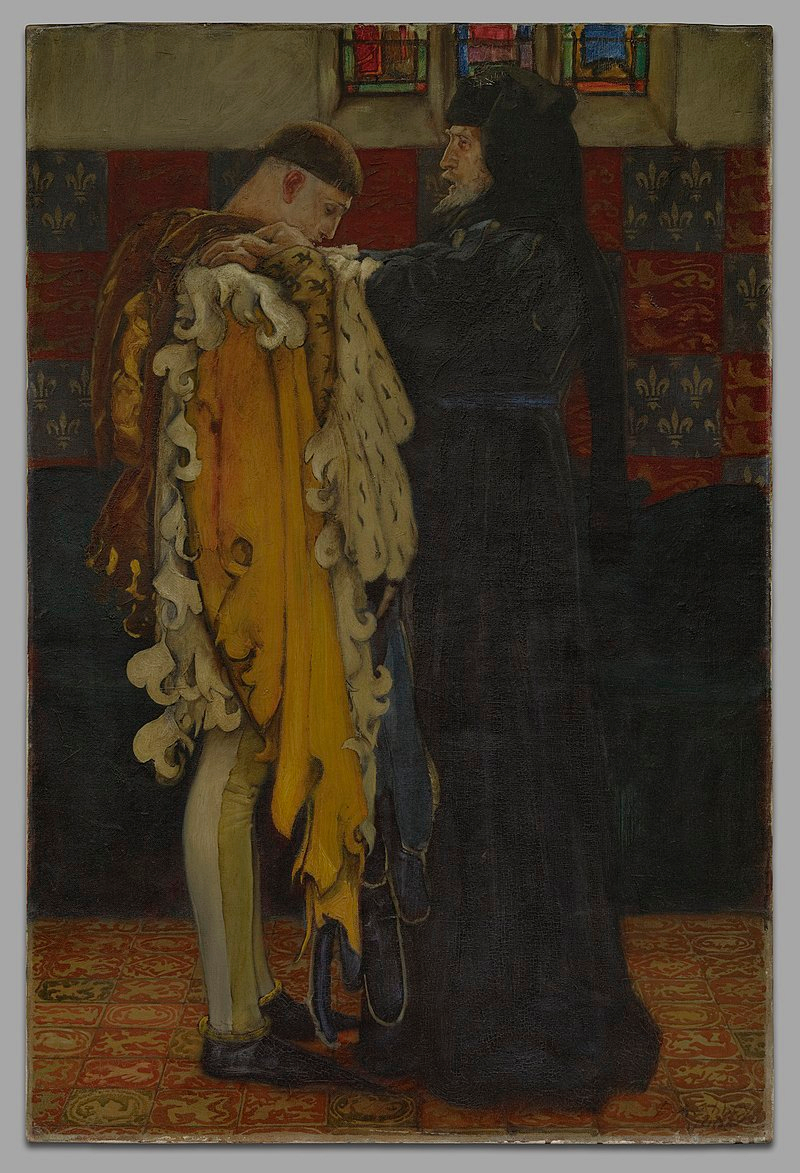
Shakespeare's Falstaff: A Notable Character in "Henry IV, Part 1"
United KIngdom
Entertainment
Literature
4 min read
Updated By: History Editorial Network (HEN)
Published:
Updated:
During the late 16th century, William Shakespeare crafted the play "Henry IV, Part 1", which included the introduction of one of his most notable characters, Sir John Falstaff. Originating from historical narratives, the play dramatizes the reign of King Henry IV and the development of his son, Prince Hal, who would later become Henry V. Sir John Falstaff serves as Prince Hal's companion, contributing significantly to the narrative with his comedic and morally dubious character.
Prior to becoming known as Falstaff, this character was initially named Sir John Oldcastle, a real historical figure. However, due to objections from Oldcastle's descendants, Shakespeare amended the name to Falstaff. Falstaff's character is depicted as a witty, dissolute knight who embodies themes of honor, loyalty, and the contrast between youthful irresponsibility and the burden of lineage. His distinct role and dynamic with Prince Hal provide both humor and critical examination of social and ethical issues, showcasing Shakespeare's ability to blend historical context with character-driven storytelling.
"Henry IV, Part 1" not only expanded Shakespeare's repertoire but also left a lasting influence on English literature. Falstaff's character went on to appear in subsequent plays, including "Henry IV, Part 2" and "The Merry Wives of Windsor". His influence extended beyond the immediate context of Shakespeare's works, prompting discussions and analyses across various literary circles.
#Shakespeare #HenryIVPart1 #Falstaff #Literature #Theater #HistoricalNarratives #MoofLife
Primary Reference
Henry IV, Part 2 - Wikipedia
Explore the Life Moments of
 AI Twin