Shakespeare's Emergence: Greene's Critique and the London Theatre Scene
United KIngdom
Literature
4 min read
Updated By: History Editorial Network (HEN)
Published:
Updated:
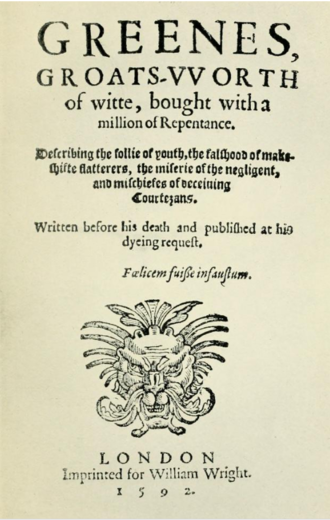
In the latter part of the 16th century, a pivotal event occurred when William Shakespeare was first publicly identified as a playwright in London. This acknowledgment came through a publication by Robert Greene, a fellow playwright, who criticized Shakespeare in his pamphlet "Groats-Worth of Wit."
Greene's pamphlet was a cautionary tale for his peers, warning them about the ambitions of certain individuals in the theatre world. His critique referred to Shakespeare in a derogatory manner, calling him an "upstart crow" and accusing him of presumption in trying to match the work of established university-educated dramatists, known as the "University Wits." At the time, this critique indicated how Shakespeare, who came from a relatively modest background, was making notable strides in the competitive London theatre scene.
This public criticism is essential as it marks the first recorded reference to Shakespeare as an emerging force in drama and playwriting. It also reflects the growing tensions and rivalries within the theatrical community. The pamphlet suggested that Shakespeare's talent was becoming widely recognized, even among those who felt threatened by his success. Greene’s reference indirectly highlights Shakespeare's impact on the industry and the significant attention his works were beginning to draw.
The pamphlet also offers insight into the theatre culture of the period, illustrating the interplay between playwrights and performers. This moment underscored the competitive nature of London's theatres and painted a picture of the period's literary scene.
#WilliamShakespeare #TheatreHistory #HistoricalNarrative #PlaywritingRecognition #MoofLife
Primary Reference
Shakespeare's life | Folger Shakespeare Library
Explore the Life Moments of
 AI Twin