Separation of banking and express operations
United States
Banking
Finance
4 min read
Updated By: History Editorial Network (HEN)
Published:
Updated:
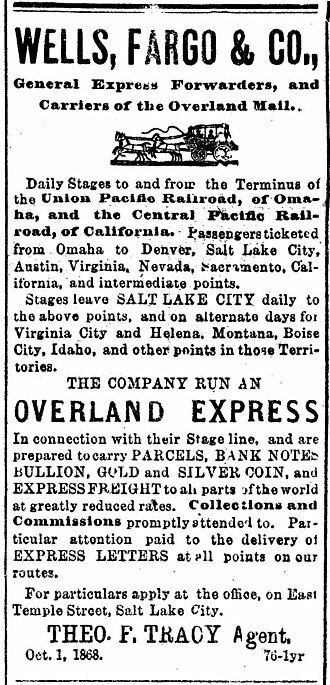
The separation of banking and express operations at Wells Fargo marked a pivotal restructuring in the company's history. Originally, Wells Fargo operated both banking and express services, which were closely intertwined, particularly during the expansion of the Transcontinental Railroad. This dual operation was facilitated by key figures such as Lloyd Tevis, who played a significant role in the company's growth and development. The express service was crucial for transporting goods and money across vast distances, making it an essential part of the American economy during that period. However, as the financial landscape evolved, the need for a more specialized approach became apparent.
In response to these changing dynamics, Wells Fargo made the strategic decision to separate its banking and express operations. This move allowed the bank to focus on its core financial services while enabling the express division to operate independently. The merger of Wells Fargo's banking operations with the Nevada National Bank resulted in the formation of the Wells Fargo Nevada National Bank, which streamlined banking services and enhanced operational efficiency. This separation not only reflected the growing complexity of financial services but also positioned Wells Fargo to better serve its customers in an increasingly competitive market. The impact of this decision can still be seen today, as Wells Fargo continues to be a major player in the banking industry, having adapted to the evolving needs of its clientele.
#mooflife
#MomentOfLife
#WellsFargo
#Banking
#ExpressOperations
#FinancialServices
#CorporateRestructuring
Primary Reference
Wells_Fargo

Explore the Life Moments of
 AI Twin