Lenin's Role in the July Days Demonstration
Russia
Politics
Revolution
4 min read
Updated By: History Editorial Network (HEN)
Published:
Updated:
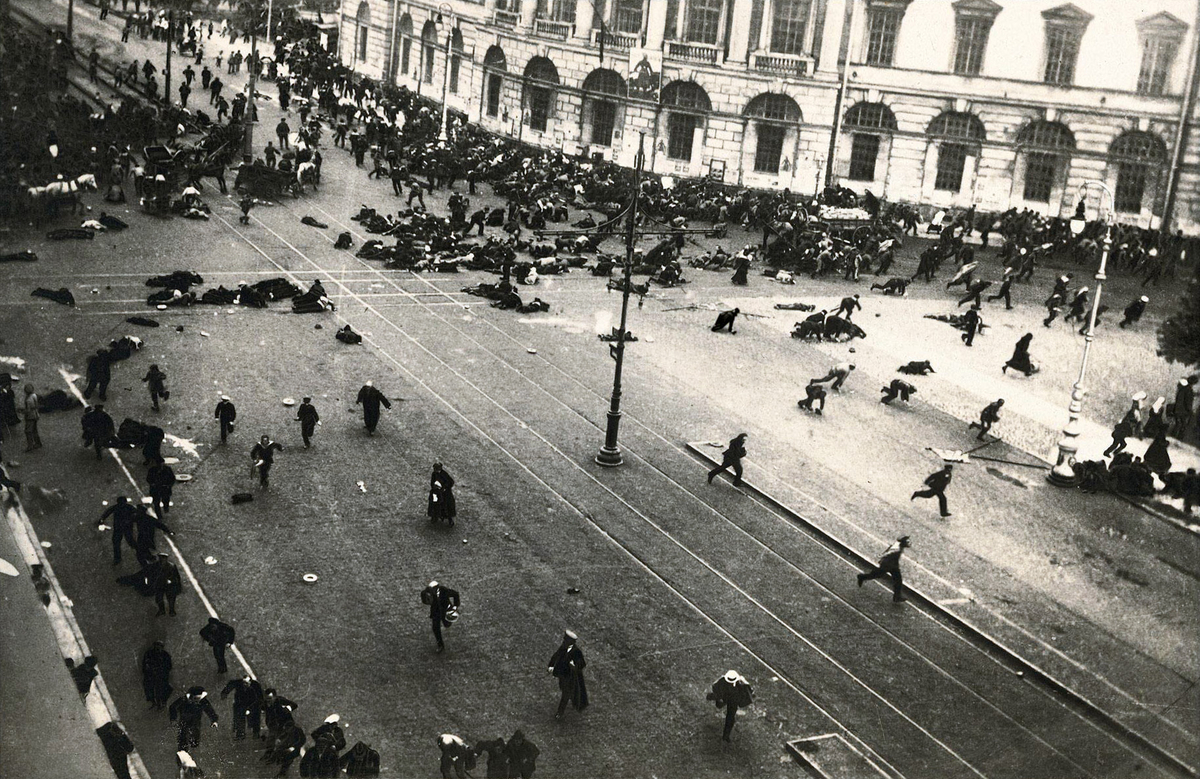
The July Days demonstration was a pivotal event in the Russian Revolution, reflecting the growing discontent among the populace and the Bolshevik supporters. Initially, Lenin had proposed an armed demonstration in Petrograd to gauge the government's reaction to the increasing frustrations of the working class and soldiers. However, during this period, he was recuperating in the Finnish village of Neivola due to health issues. The demonstration unfolded in his absence, and it escalated into violent clashes between the demonstrators and government forces. This violence prompted a swift response from the government, which ordered the arrest of Lenin and other key Bolshevik leaders, accusing them of inciting unrest and labeling Lenin as a German agent provocateur. This accusation was part of a broader campaign to discredit the Bolsheviks and suppress their influence in the revolutionary movement.
Upon learning of the violence, Lenin returned to Petrograd and urged the demonstrators to remain calm, emphasizing the need for discipline and organization within the party. Despite his calls for restraint, the government's crackdown intensified, leading to a series of arrests and raids on Bolshevik offices. The July Days ultimately highlighted the tensions within the revolutionary movement and the precarious position of the Bolsheviks. While the immediate outcome was a setback for Lenin and his followers, the events also served to galvanize support for the Bolshevik cause, as many began to view the government’s repressive actions as evidence of its inability to address the needs and demands of the people. This period of unrest laid the groundwork for the Bolsheviks' eventual rise to power, as they capitalized on the discontent and disillusionment that followed the July Days.
#mooflife
#MomentOfLife
#JulyDays
#Lenin
#Bolsheviks
#RussianRevolution
#Petrograd
Primary Reference
July Days

Explore the Life Moments of
 AI Twin