Lenin and His Marriage in Shushenskoye
Russia
Biography
Politics
5 min read
Updated By: History Editorial Network (HEN)
Published:
Updated:
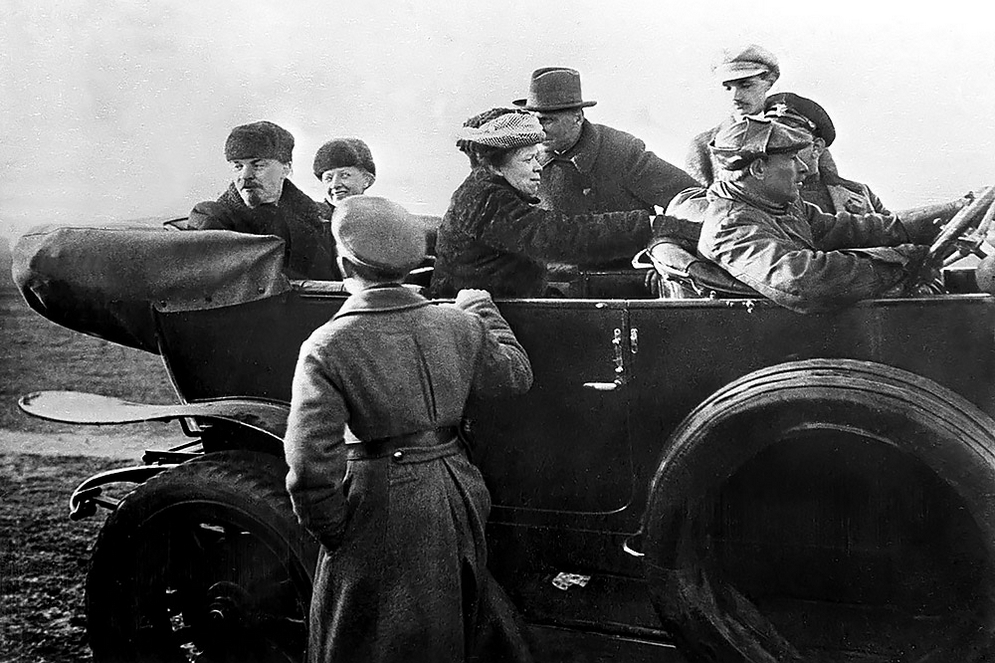
In the late 19th century, Vladimir Lenin and Nadezhda Krupskaya's relationship developed against a backdrop of political turmoil and personal sacrifice. After being arrested for her involvement in organizing a strike, Krupskaya was initially sent to Ufa. However, she successfully persuaded the authorities to transfer her to Shushenskoye, where Lenin was in exile. This relocation allowed them to reunite, and they married shortly thereafter. Their marriage marked a significant partnership in both their personal lives and their political endeavors. In Shushenskoye, they engaged in translating English socialist literature into Russian, which played a crucial role in disseminating socialist ideas among Russian workers. This period was not only a time of personal commitment but also a productive phase for Lenin, during which he authored important works, including 'A Protest by Russian Social-Democrats' and completed 'The Development of Capitalism in Russia.' These writings contributed to the theoretical foundation of the Russian Social-Democratic movement and highlighted the economic conditions in Russia that necessitated a revolutionary approach to governance and society.
The impact of their work in Shushenskoye extended beyond their immediate surroundings. The translations and writings produced during this time helped to lay the groundwork for the broader socialist movement in Russia. Lenin's analysis of capitalism in Russia provided insights into the socio-economic challenges faced by the working class, emphasizing the need for organized political action. The couple's collaboration not only strengthened their bond but also reinforced their commitment to the revolutionary cause. Their efforts in Shushenskoye exemplified the intersection of personal and political life, showcasing how intimate relationships can influence and propel significant ideological movements. This period of exile and collaboration was pivotal in shaping Lenin's future strategies and the eventual rise of the Bolshevik Party, which would later play a crucial role in the Russian Revolution.
#mooflife
#MomentOfLife
#Lenin
#NadezhdaKrupskaya
#Shushenskoye
#RussianSocial-democracy
#SocialistLiterature
Primary Reference
Vladimir_Lenin

Explore the Life Moments of
 AI Twin