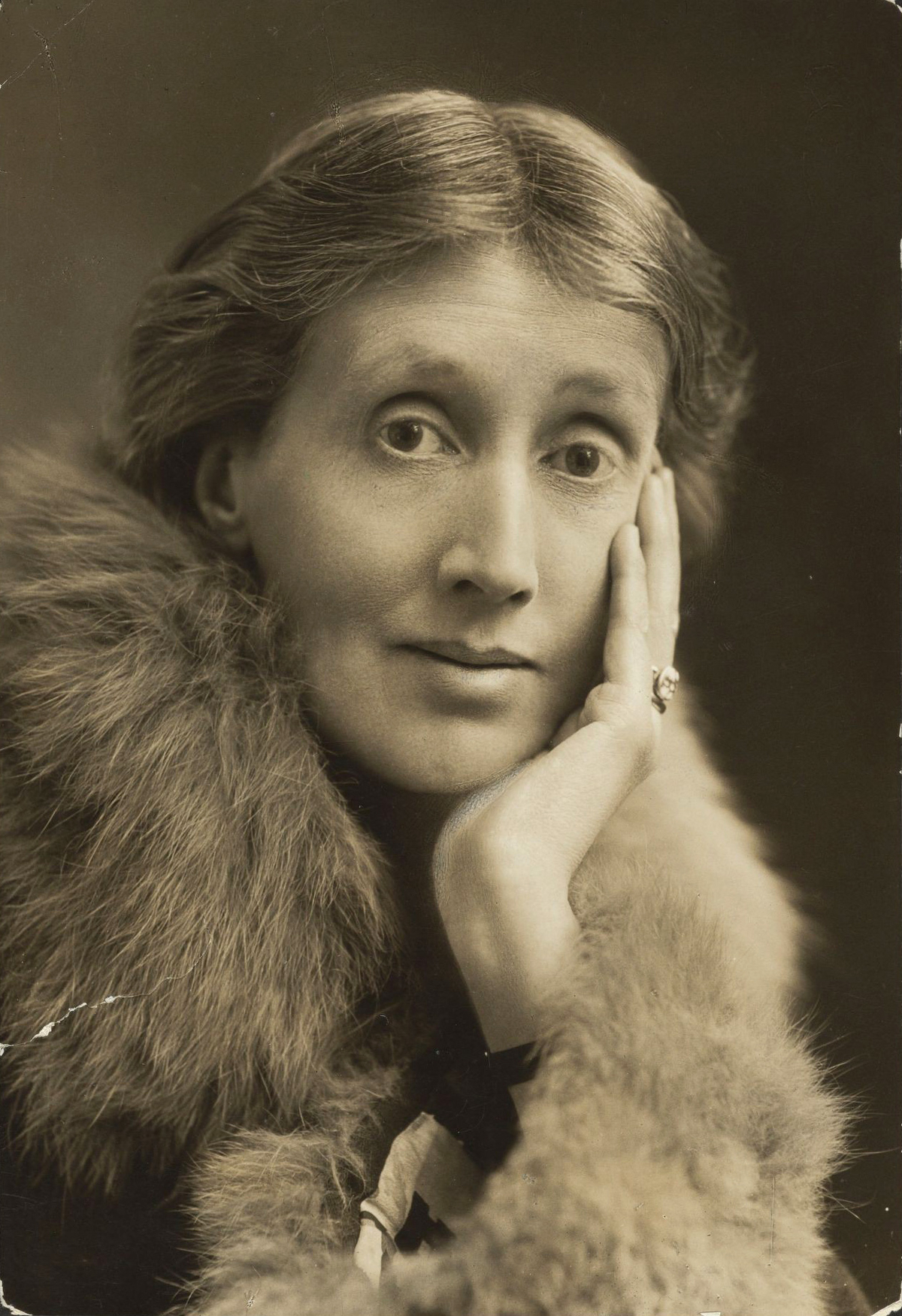
Virginia Woolf publishes essay Pattledom
United Kingdom
Literature
Biographical Research
Photography
4 min read
Updated By: History Editorial Network (HEN)
Published:
Virginia Woolf's essay 'Pattledom' is a reflection of her research into the life of her great-aunt, Julia Margaret Cameron, who was a pioneering photographer known for her portraiture and artistic contributions in the 19th century. Woolf's exploration of Cameron's life not only highlights the personal connection between the two women but also sheds light on the broader context of women's roles in the arts during that period. Cameron's work was characterized by its innovative techniques and emotional depth, which challenged the conventions of photography at the time. Woolf's essay serves as both a tribute to her great-aunt's legacy and an examination of the societal constraints faced by women artists. Through 'Pattledom', Woolf articulates the struggles and triumphs of women in creative fields, emphasizing the importance of recognizing their contributions to art and culture.
The impact of 'Pattledom' extends beyond its biographical content; it also reflects Woolf's own literary and feminist ideals. By documenting Cameron's life, Woolf contributes to the historical narrative of women's artistic endeavors, advocating for a greater appreciation of their work. The essay is part of a larger movement in Woolf's writing that seeks to elevate women's voices and experiences. Woolf's engagement with Cameron's story illustrates the interconnectedness of personal and artistic identities, as well as the challenges of navigating a male-dominated society. The publication of 'Pattledom' not only enriches the understanding of Julia Margaret Cameron's contributions to photography but also reinforces Woolf's commitment to exploring and celebrating women's narratives in her own literary career.
#mooflife
#MomentOfLife
#VirginiaWoolf
#Pattledom
#JuliaMargaretCameron
#WomenInArt
#FeministLiterature

Explore the Life Moments of
 AI Twin