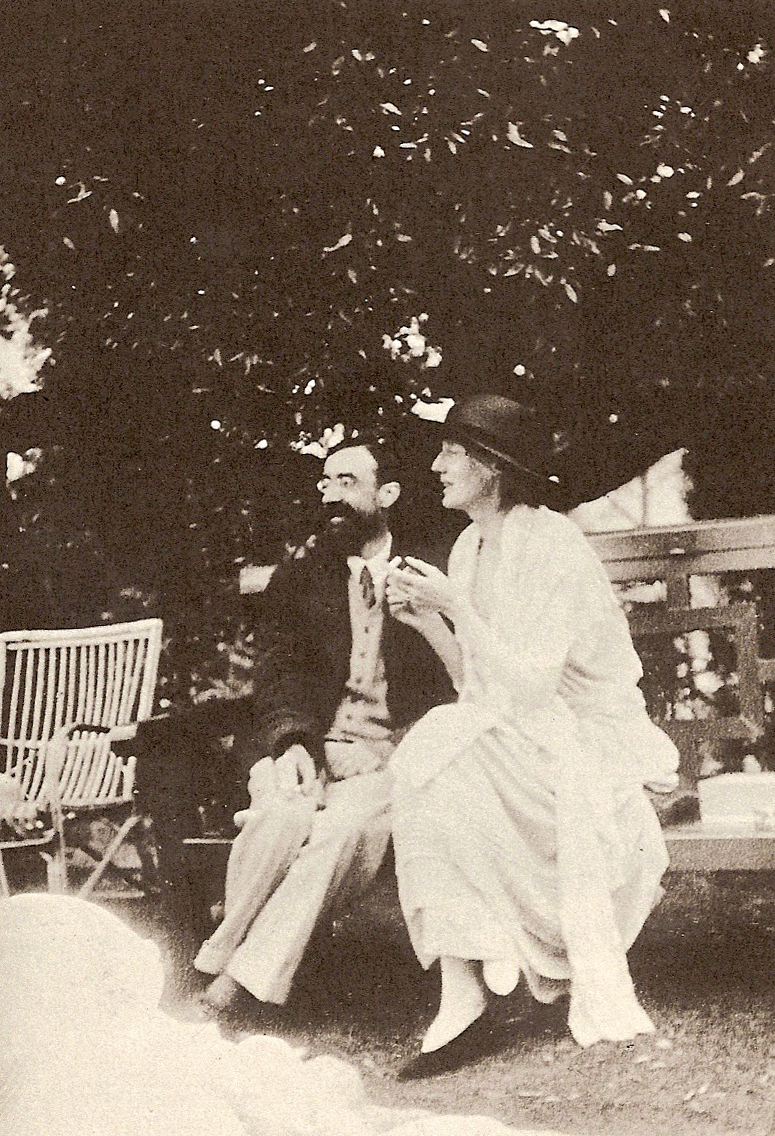
Lytton Strachey and Woolf at Garsington
United Kingdom
Literature
Modernism
British Authors
4 min read
Updated By: History Editorial Network (HEN)
Published:
Updated:
Lytton Strachey and Virginia Woolf were prominent figures in the early 20th-century literary scene, and their time at Garsington Manor marked a notable intersection of their intellectual pursuits. Garsington, a country estate, served as a gathering place for many influential writers and thinkers of the period. Strachey, known for his biographical works, and Woolf, a key figure in modernist literature, engaged in discussions that reflected the complexities of their time. Woolf's writings often explored themes such as war, shell shock, and social class, providing a critical lens on the societal changes occurring in post-World War I Britain. Her novel 'Mrs. Dalloway' exemplifies this focus, addressing the moral dilemmas faced by individuals in a society grappling with the aftermath of conflict. Strachey's biographical approach complemented Woolf's narrative style, as both sought to understand the human experience through their respective lenses.
The impact of their collaboration and discussions at Garsington extended beyond their individual works. The interactions between Strachey and Woolf contributed to the broader modernist movement, which sought to break away from traditional forms and explore new ways of expression. Their engagement with contemporary issues, such as the psychological effects of war and the intricacies of social class, resonated with a generation of writers and readers. The legacy of their time at Garsington is evident in the continued relevance of their themes in modern literature, as well as in the ongoing exploration of the human condition in the face of societal upheaval. The conversations held at Garsington not only enriched their own works but also influenced the trajectory of modernist thought, making it a pivotal moment in literary history.
#mooflife
#MomentOfLife
#LyttonStrachey
#VirginiaWoolf
#GarsingtonManor
#ModernistLiterature
#BritishLiteraryHistory
Primary Reference
Lytton Strachey

Explore the Life Moments of
 AI Twin