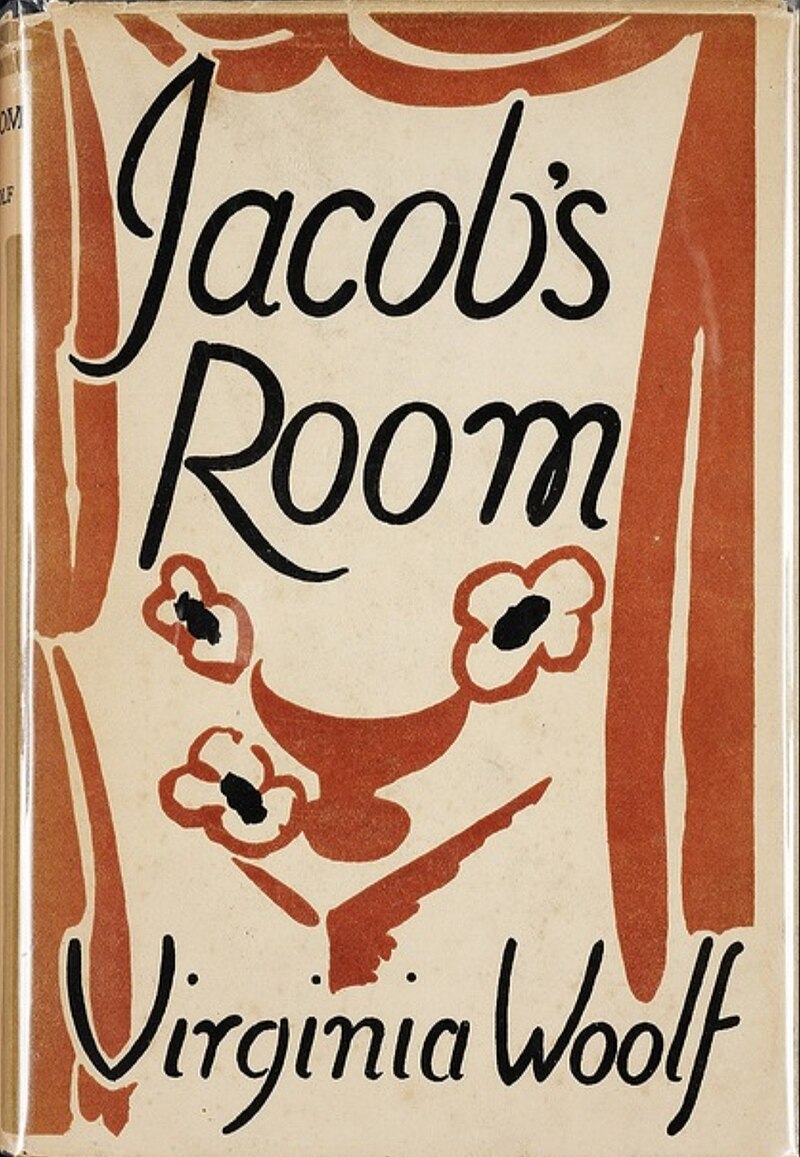
Jacob's Room Published
United Kingdom
Literature
Book Analysis
Modernism
4 min read
Updated By: History Editorial Network (HEN)
Published:
Updated:
Jacob's Room is a pivotal work in Virginia Woolf's literary career, marking her transition into experimental narrative forms. This novel, published in 1922, is recognized as her third novel and is often cited as a significant step in the development of modernist literature. Woolf's approach in Jacob's Room departs from conventional storytelling techniques, opting instead for a stream-of-consciousness style that reflects the inner thoughts and perceptions of its characters. The narrative centers around the life of Jacob Flanders, a young man navigating the complexities of early 20th-century England. Through fragmented scenes and a focus on the subjective experiences of Jacob and those around him, Woolf explores themes of identity, loss, and the passage of time. The novel's structure, which eschews a linear plot, invites readers to engage with the text in a more active manner, prompting them to piece together Jacob's life from the impressions and memories of others.
The impact of Jacob's Room extends beyond its innovative narrative style; it also addresses broader social and cultural issues of the time. Woolf's portrayal of Jacob's relationships with women, his experiences in the war, and the societal expectations placed upon him reflect the changing dynamics of gender and class in post-war Britain. The novel's exploration of these themes resonates with contemporary discussions about identity and the human experience. Woolf's work has been influential in shaping modern literature, inspiring countless writers to experiment with form and content. Jacob's Room remains a critical text for understanding the evolution of narrative techniques and the thematic concerns that define modernist literature.
#mooflife
#MomentOfLife
#VirginiaWoolf
#JacobsRoom
#Modernism
#LiteraryAnalysis
#ExperimentalNarrative
Primary Reference
Jacob's Room

Explore the Life Moments of
 AI Twin