Van Gogh's Therapeutic Art in Saint-Rémy: Painting the Asylum's Gardens and Landscapes
Netherlands
Art
Health
4 min read
Updated By: History Editorial Network (HEN)
Published:
Updated:
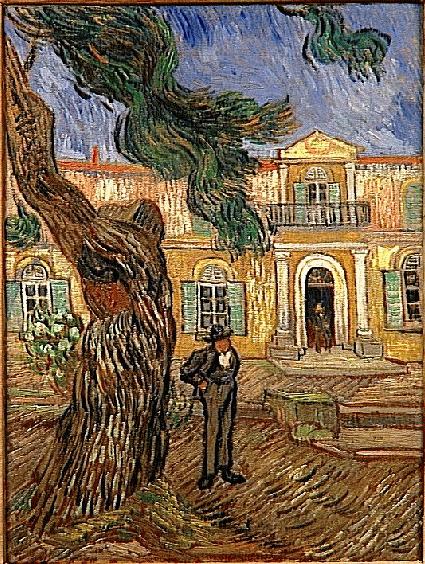
Vincent van Gogh was admitted to the Saint-Paul-de-Mausole asylum near Saint-Rémy-de-Provence. During his stay, he found solace in painting the surrounding gardens and landscapes. One of his notable works from this period is 'Painted Lilacs and other studies of the asylum's garden and surroundings.'
The asylum was a former monastery with an extensive garden area, offering van Gogh a variety of natural scenes to capture. He produced numerous pieces that depicted the flowers, trees, and countryside visible from the asylum grounds. His artistic output during this time is often characterized by bold colors and dynamic brushstrokes, reflecting both his mental state and his innovative approach to art.
Van Gogh's work from this period has been subject to extensive analysis. Art historians suggest that the natural settings provided a therapeutic effect, allowing him to channel his emotional turmoil into his paintings. Despite this challenging phase of his life, he created some of his most renowned compositions.
Among the pieces produced were vivid depictions of lilacs, irises, and other flora. These studies contributed significantly to his overall portfolio, showcasing his skill in using color contrasts and expressive line work. This period of his career was brief but prolific, reinforcing his status as a pivotal figure in Post-Impressionism.
The impact of these works extends beyond their aesthetic value. They offer insights into the relationship between mental health and creativity, demonstrating how van Gogh's art was influenced by his environment and condition. His paintings from the asylum continue to be studied and appreciated for their profound emotional and artistic depth.
#VincentvanGogh #ArtHistory #MentalHealth #PostImpressionism #MoofLife
Explore the Life Moments of
 AI Twin