Van Gogh's Shift to Bright Colors: Impact of Impressionism on Evolving Style
Netherlands
Art
4 min read
Updated By: History Editorial Network (HEN)
Published:
Updated:
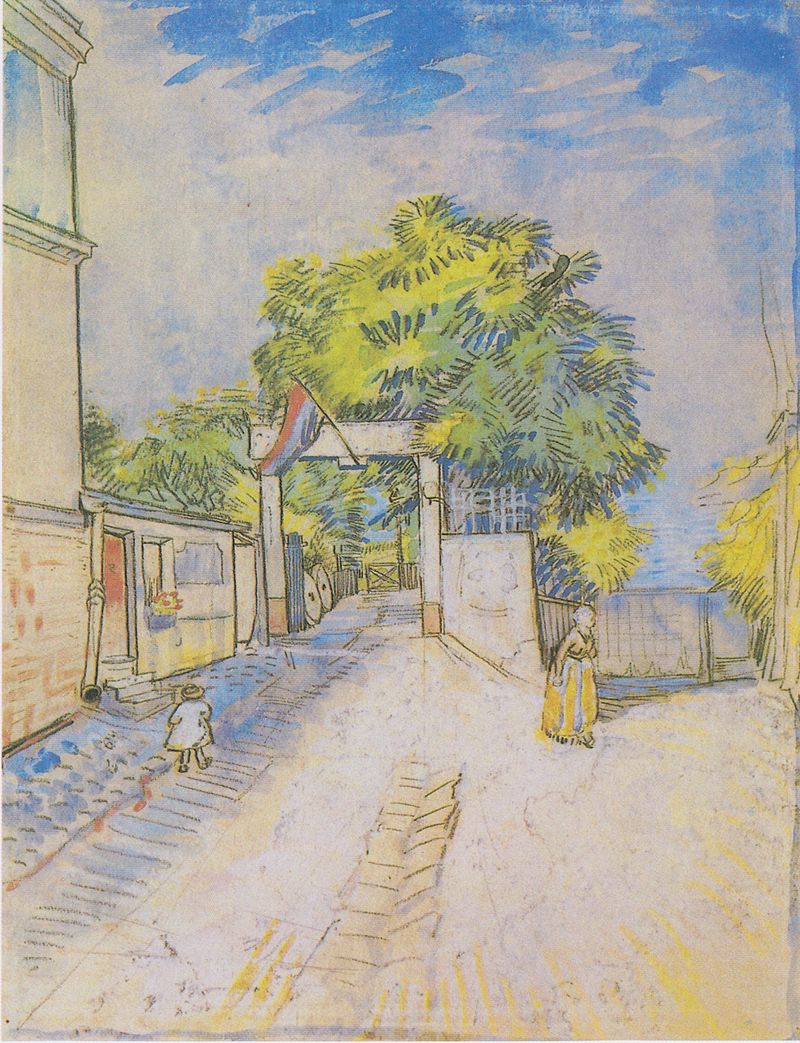
Vincent van Gogh's art notably shifted when he started using a brighter palette and complementary colors influenced by Impressionism. Before this change, Van Gogh predominantly used dark, somber tones reflective of his studies in the Netherlands. His initial pieces, like "The Potato Eaters," show Parisian suburbs and depict peasant life using muted, earthy hues.
Moving to Paris, Van Gogh encountered the groundbreaking works of the Impressionists, which greatly influenced his approach. Contact with artists such as Claude Monet and Camille Pissarro exposed him to their use of light and color. These interactions spurred Van Gogh to experiment with vibrant, dynamic colors contrasting each other, which created depth and liveliness in his paintings.
The impact on Van Gogh's work was substantial. Paintings such as "Self-Portrait with a Straw Hat" and "The Courtyard of the Hospital at Arles" showcase his evolving style, featuring bold, energetic hues and a more fluid, expressive brush stroke. This period marked the beginning of Van Gogh's signature style, where he combined expressive emotion with the visual innovations inspired by the Impressionists.
Statistically, during his stay in Paris, Van Gogh completed over 200 paintings, a testament to his prolific nature and the transformative impact of his new surroundings. His color palette expanded to include bright yellows, blues, and greens, moving away from the darker tones of his earlier work. This period contributed significantly to the foundation of his later masterpieces, which now hold extraordinary value in the art world.
#VincentVanGogh #Impressionism #ArtHistory #ColorTheory #ParisArtScene #NeoImpressionism #Transformation #ArtEvolution #MoofLife
Explore the Life Moments of
 AI Twin