Van Gogh's Rural Heroism: The Sower in Arles
Netherlands
Art
Farming
4 min read
Updated By: History Editorial Network (HEN)
Published:
Updated:
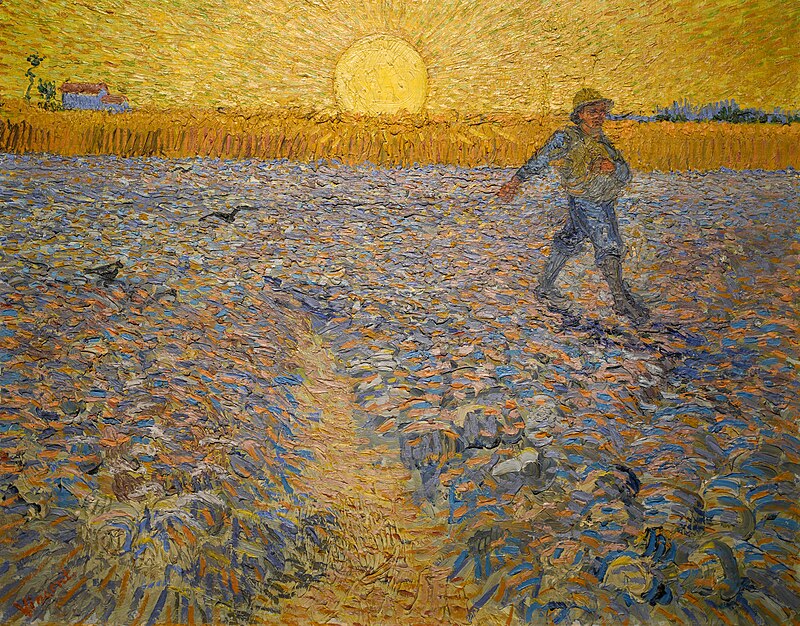
In Arles, during the summer, Vincent van Gogh focused on rural themes and the heroism of physical labor. The subject of farming captivated him, and he began working on The Sower. Vincent had previously explored the theme of sowing, but the unique light and landscape of Arles infused the painting with new life. This was part of his broader intent to depict the honest, hard-working lives of rural laborers, whom he saw as noble figures.
Van Gogh's time in Arles marked a particularly productive period. He was deeply affected by the surrounding countryside and the simple yet arduous life of the farmers. The setting allowed him to experiment with colors and brushstrokes, which became more expressive. In The Sower, the complementary contrast of the sun against the blue of the sky and the violet of the field demonstrates his evolving use of color to convey emotion and reverence for the subject matter.
The depiction of the sower in this painting is heroic. Van Gogh portrayed the figure in a powerful stance, mid-action, embodying the essence of labor and life cycles in the agricultural context. His choice to elevate this everyday act to the monumental status in art was a commentary on the value of human effort and the connection to nature.
This exploration of rural themes did not resonate with the art market immediately but found appreciation and scholarly attention over time. Vincent’s works from Arles are now critical components of his legacy, often analyzed for their innovation in color and form, and their emotional depth.
#VincentVanGogh #TheSower #RuralLife #ArtHistory #PhysicalLabour #MoofLife
Explore the Life Moments of
 AI Twin