Van Gogh's Posthumous Exhibition in Brussels: A Turning Point in Art History
Netherlands
Art
4 min read
Updated By: History Editorial Network (HEN)
Published:
Updated:
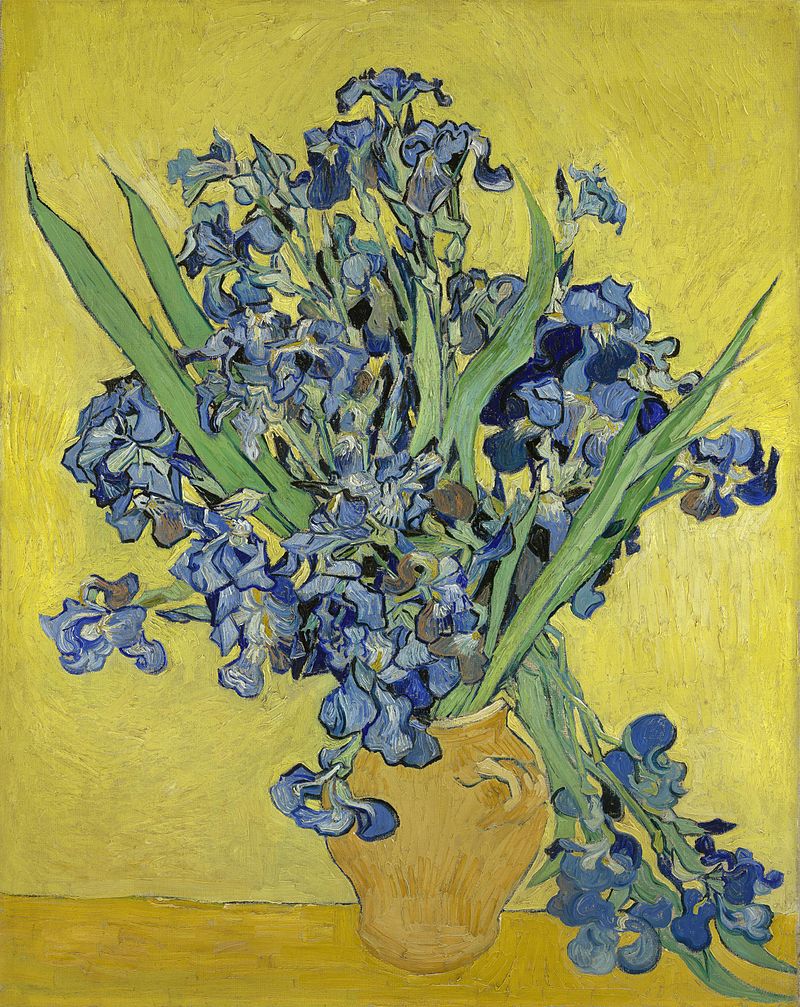
After the passing of Vincent van Gogh, a retrospective exhibition of his works took place in Brussels. Vincent van Gogh, a Dutch painter whose work is characterized by bold colors and expressive brushwork, received little recognition during his lifetime. He struggled with mental health issues, which unfortunately overshadowed his artistic achievements.
The exhibition in Brussels was instrumental in bringing Van Gogh's work to a broader audience. Organized posthumously, the event provided a comprehensive overview of Van Gogh’s artistic journey, including his early pieces influenced by Dutch genre painting and later vibrant compositions created during his time in France. The range of artworks exhibited demonstrated Van Gogh’s growth as an artist and his experimental approach.
The impact of the exhibition was significant. Art critics and the public began to appreciate Van Gogh's innovative use of color and emotional intensity. His brother, Theo van Gogh, played a crucial role in bringing this exhibition to fruition. It marked a turning point for Van Gogh's posthumous reputation, fostering greater interest and study of his work.
Statistically, the exhibition had impressive attendance numbers, reflective of growing public and critical acclaim. It contributed greatly to the understanding of Van Gogh’s contribution to modern art and cemented his status as a pivotal figure in the Post-Impressionist movement.
#MoofLife #VanGogh #ArtExhibition #PostImpressionism #ArtHistory #BrusselsExhibition
Explore the Life Moments of
 AI Twin