Van Gogh's Parisian Artistic Evolution: Montmartre and Influences from Impressionism and Contemporary Artists.
Netherlands
Art
4 min read
Updated By: History Editorial Network (HEN)
Published:
Updated:
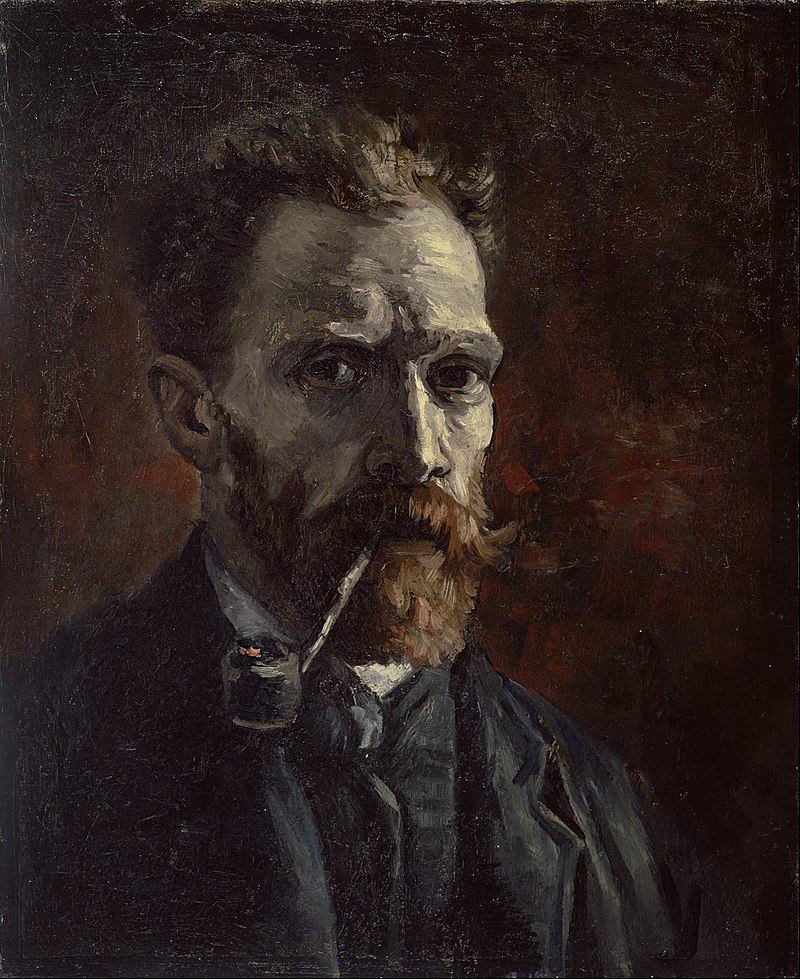
Vincent van Gogh relocated to Paris to live with his brother, Theo, in Montmartre. This move marked the beginning of an important phase in his artistic career. While in Paris, Van Gogh immersed himself in the vibrant art scene of the city, exposing him to new artistic movements and techniques. He joined the studio of Fernand Cormon, a notable figure in the Parisian art world known for his influence on young artists.
At Cormon’s studio, Van Gogh worked alongside future leading artists, including Henri de Toulouse-Lautrec and Émile Bernard. These interactions significantly impacted his approach to painting. The exposure to Impressionism and the work of contemporaries such as Claude Monet and Edgar Degas allowed Van Gogh to experiment with lighter palettes and more dynamic compositions. This period saw a shift in his work from dark tones to brighter, more vivid colors and bolder brushstrokes.
Living in Montmartre also provided Van Gogh with diverse urban scenes to capture. He produced numerous paintings depicting Parisian life, including cafes, streets, and views from his apartment. These works displayed a break from his earlier somber depictions, reflecting his absorption of Parisian culture and the buzzing artistic environment.
This phase was instrumental in developing Van Gogh's distinctive style, integrating elements of Impressionism and Japanese prints while solidifying his identity as an innovative artist.
#VincentVanGogh #ParisArtScene #Montmartre #Impressionism #ArtEvolution #FernandCormon #TheoVanGogh #ArtHistory #MoofLife
Explore the Life Moments of
 AI Twin