Van Gogh's Paris Retrospective: Influence on Fauvism and Modern Art
Netherlands
Art
Influential Art Movement
4 min read
Updated By: History Editorial Network (HEN)
Published:
Updated:
The Bernheim-Jeune Gallery in Paris exhibited an extensive retrospective of Vincent van Gogh’s work. This event brought together a comprehensive collection of Van Gogh’s paintings, curated to highlight his contribution to art. At the time, Van Gogh was not universally recognized, and the exhibition played a pivotal role in bringing his unique style to the forefront.
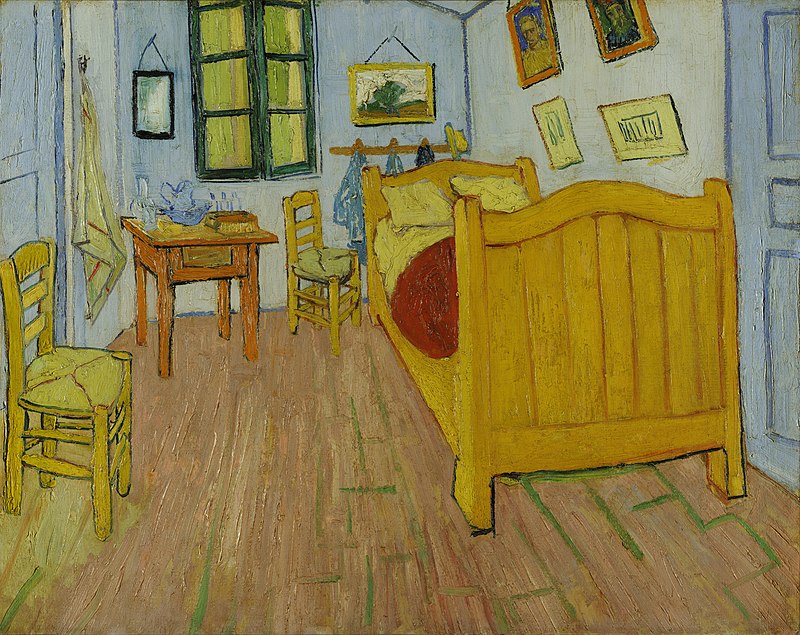
The retrospective included pieces from various periods of Van Gogh’s career, showcasing his evolution as an artist. Paintings such as "Starry Night," "Sunflowers," and "The Bedroom" displayed his use of vibrant colors and bold brushwork. These elements significantly influenced the emerging Fauvist movement.
Henri Matisse, André Derain, and Maurice de Vlaminck, leading figures of Fauvism, attended the exhibition. They were particularly struck by Van Gogh’s ability to convey emotion through color and form. This encounter underscored the potential of using vivid, non-naturalistic colors to evoke a strong emotional response, which became a hallmark of Fauvist art.
The exhibition thus served as a catalyst, encouraging these artists to push the boundaries of conventional aesthetics. It demonstrated a departure from realism, favoring expressive, vivid hues and loose brushwork. This approach laid the groundwork for the development of modern art movements in the early 20th century.
The retrospective, attended by various artists, critics, and art enthusiasts, significantly enhanced Van Gogh’s posthumous reputation. His works began to receive the critical acclaim and recognition that had eluded him during his lifetime. This event solidified his influence on modern art and inspired a generation of artists to explore new creative possibilities.
#VanGogh #Fauvism #ArtExhibition #ModernArt #Inspiration #ParisArtScene #ArtHistory #MoofLife
Explore the Life Moments of
 AI Twin