Van Gogh's Dual Masterpieces: Dr. Gachet Portrait and Thatched Cottages Reflecting Turmoil and Talent
Netherlands
Art
4 min read
Updated By: History Editorial Network (HEN)
Published:
Updated:
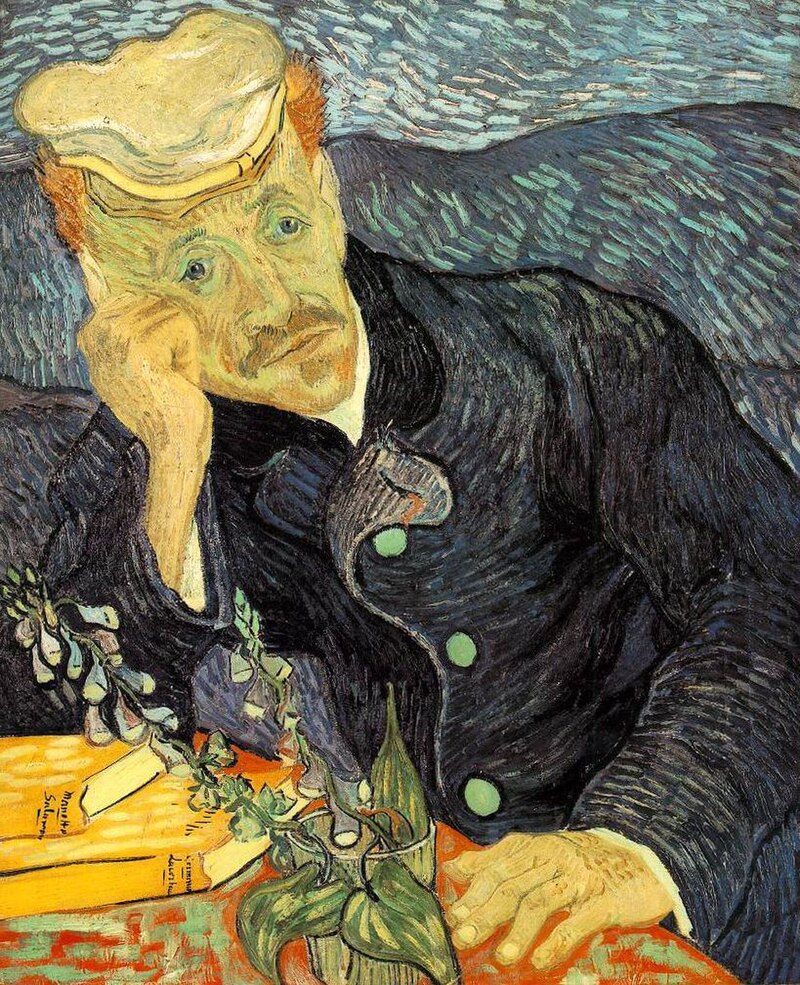
Vincent van Gogh, a prominent Dutch post-impressionist painter, created two significant works, 'Painted Portrait of Dr. Gachet' and 'Thatched Cottages by a Hill,' during the same summer month in Auvers-sur-Oise, France. Van Gogh came to Auvers-sur-Oise and began regular treatment under Dr. Paul Gachet, who had experience in treating mental health issues among artists. Van Gogh painted Dr. Gachet’s portrait, capturing his melancholic expression. This portrayal demonstrated Van Gogh’s distinctive brushstrokes and vivid color use, reflecting both the sitter's personality and the artist’s own troubled state.
At the same time, Van Gogh painted 'Thatched Cottages by a Hill,' depicting rural cottages in the French countryside. The painting illustrates Vincent’s continued fascination with nature and rural life, characterized by dynamic lines and bold colors. Despite his struggles with mental health, van Gogh’s productivity during this period was significant, contributing extensively to post-impressionism.
Tragically, Van Gogh’s struggles culminated in his death shortly after creating these works. The two paintings gained historical and cultural importance over time, underscoring the tension between artistic brilliance and psychological turmoil. His portrayal of Dr. Gachet became one of his most expensive paintings sold, highlighted at an auction where it fetched millions of dollars.
The artistic techniques and emotional depth of both pieces continue to be subjects of extensive analysis and admiration in art communities and museums worldwide. They contribute to the understanding of Van Gogh’s final chapter and the enduring legacy of his work.
#VincentvanGogh #ArtHistory #PostImpressionism #AuversSurOise #MentalHealth #CulturalLegacy #ArtAnalysis #MoofLife
Explore the Life Moments of
 AI Twin