Van Gogh's Departure from Paris: Influence on Post-Impressionist Art
Netherlands
Artistic
4 min read
Updated By: History Editorial Network (HEN)
Published:
Updated:
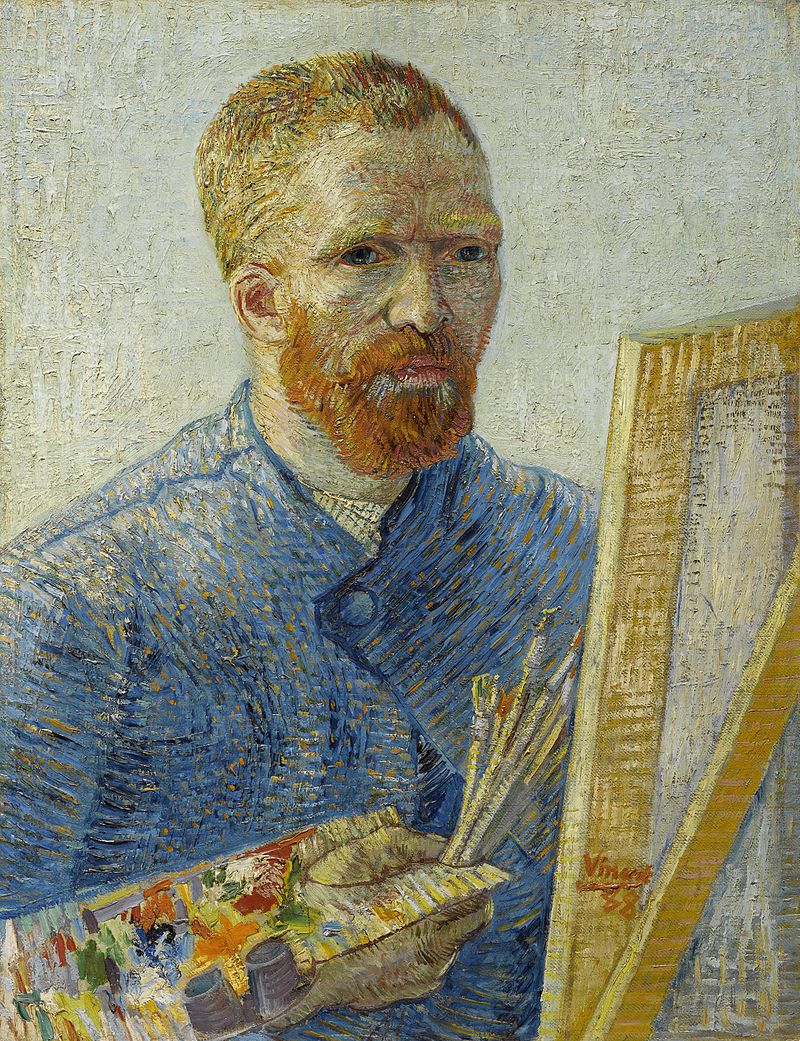
Vincent van Gogh, an influential figure in post-impressionist art, departed from Paris after an intense period of artistic productivity. During his time in the city, van Gogh completed over 200 paintings, which marked a significant phase in his career. Paris served as a central place for artistic innovation, influencing his style and technique. Interaction with contemporaries such as Paul Gauguin and Henri de Toulouse-Lautrec enriched his work, incorporating elements of Neo-Impressionism and the use of brighter colors.
Van Gogh's move to Arles reflected his search for new inspiration and a change of scenery. The bustling urban environment of Paris, while stimulating, likely contrasted with van Gogh's quest for tranquility and the desire to capture rural landscapes. His transition to Arles was motivated by the aspiration to infuse his work with different light, colors, and the essence of the Provençal countryside.
The departure marked a pivotal shift in van Gogh's life and work. His time in Paris had laid the groundwork for the development of his unique style, characterized by bold colors and dynamic brushwork. The hundreds of paintings created during this period showcased his evolving talent and deepening artistic vision. These works contribute significantly to his legacy and the post-impressionist movement.
Van Gogh's relocation to Arles began a new chapter that would see the creation of some of his most renowned pieces. It exemplified his relentless pursuit of artistic growth and commitment to exploring the diverse facets of his craft. The impact of his Parisian period on his subsequent work underscores the importance of this phase in his artistic journey.
#VincentVanGogh #ParisToArles #ArtisticJourney #PostImpressionism #MoofLife
Explore the Life Moments of
 AI Twin