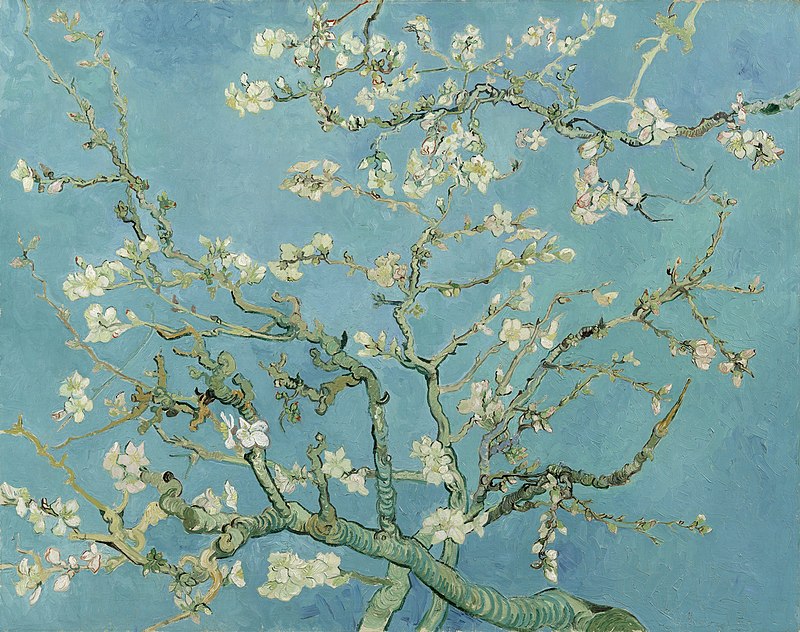
Van Gogh's "Almond Blossom": Symbol of hope and family ties in difficult times.
Netherlands
Art
Family
4 min read
Updated By: History Editorial Network (HEN)
Published:
Updated:
Vincent van Gogh painted "Almond Blossom" as a gift for his newborn nephew, also named Vincent Willem van Gogh. This event took place during a period when Van Gogh was experiencing both personal and professional difficulties, having recently entered an asylum in Saint-Rémy-de-Provence. Van Gogh's brother, Theo, upon becoming a father, named his son after the celebrated artist, forging a deeper familial bond.
The painting, characterized by delicate almond branches set against a blue sky, symbolizes new life and hope. It reflects Van Gogh's affinity for Japanese art, particularly woodblock prints, which often featured nature themes and similar compositions. Van Gogh's use of light colors and serene imagery was intended to convey calm and positivity, a stark contrast to some of his more turbulent works.
The impact of this gesture extended beyond a personal gift. "Almond Blossom" is now celebrated as one of Van Gogh’s masterpieces, representing not only his artistic prowess but also his enduring love for his family. The painting’s reception has been overwhelmingly positive, contributing significantly to the posthumous recognition of Van Gogh as one of the most influential artists of his time.
This event is part of Van Gogh's broader legacy, characterized by a strained yet deeply affectionate relationship with his brother Theo, who supported him emotionally and financially. "Almond Blossom" exemplifies the human capacity for beauty and hope amidst adversity.
#VanGogh #ArtHistory #NewLife #Hope #MoofLife
Explore the Life Moments of
 AI Twin