Catalogue Raisonné of Vincent van Gogh: A Milestone in Art History
Netherlands
Art Research
4 min read
Updated By: History Editorial Network (HEN)
Published:
Updated:
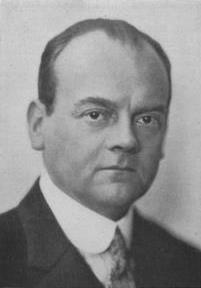
Jacob Baart de la Faille, a Dutch art historian, published the first catalogue raisonné of Vincent van Gogh's works. The publication aimed at providing a comprehensive and systematic listing of all known works by the artist. This extensive compilation included detailed entries of Van Gogh's paintings, drawings, and sketches, offering a new level of scholarly rigor to the study of his oeuvre.
The catalogue raisonné addressed the need for clarity and authentication in Van Gogh's works, an issue that had grown in importance as the artist's fame and the value of his works increased. By compiling this exhaustive list, de la Faille aimed to categorize and validate the authenticity of Van Gogh's known pieces, thus offering a critical reference tool for art historians, collectors, and museums.
The impact of this publication was significant in the art world. It not only provided a vital resource for understanding the scope of Van Gogh's artistic production but also laid the groundwork for further research and academic study. The catalogue helped in distinguishing authentic works from forgeries and variations, thereby protecting the integrity of Van Gogh's legacy. It became an essential reference for auction houses, curators, and art dealers in the authentication and valuation process.
The creation of a catalogue raisonné solidified the scientific and historical perspectives in the field of art history. De la Faille's meticulous documentation and classification efforts contributed to the standardization of methods in documenting artists' works, influencing similar projects for other renowned artists.
#VanGoghLegacy #ArtHistory #CatalogueRaisonné #ArtAuthentication #MuseumStudies #MoofLife
Explore the Life Moments of
 AI Twin