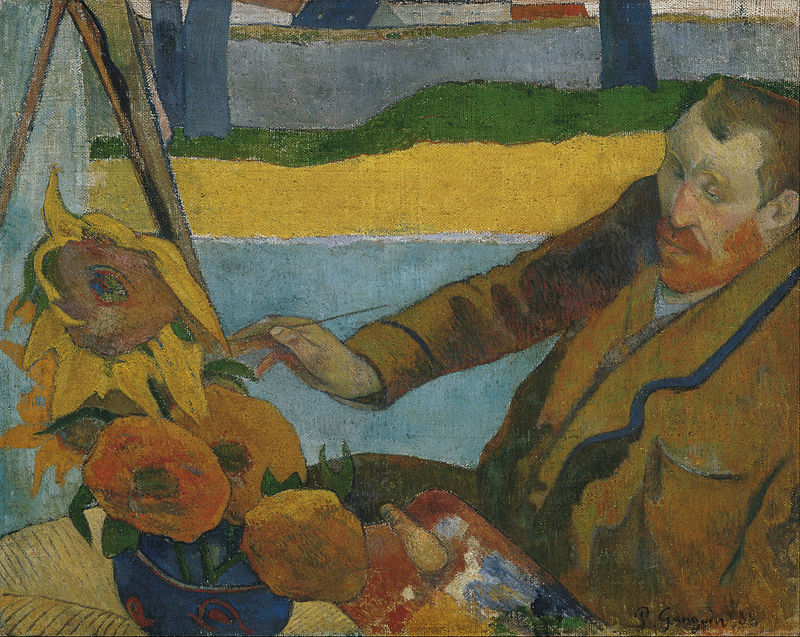
Artistic collaboration between Gauguin and van Gogh in Arles shapes history of Post-Impressionism.
Netherlands
Art
4 min read
Updated By: History Editorial Network (HEN)
Published:
Updated:
Paul Gauguin arrived in Arles to collaborate with Vincent van Gogh, forming one of art history's most notable partnerships. Previously, Gauguin had faced financial difficulties and hoped this collaboration would be mutually beneficial. Van Gogh, who had recently moved to Arles, sought companionship and creative stimulation. He found the isolation of the South of France both inspiring and challenging. Their friendship had started through mutual acquaintance and fellow artist, Camille Pissarro, and their correspondence had highlighted their shared interest in Post-Impressionism.
During their time together, the two artists produced a considerable body of work, engaging in intense discussions about color theory, technique, and thematic elements central to their art. Van Gogh painted some of his most celebrated pieces during this period, while Gauguin's influence is believed to have spurred further innovation in Van Gogh's style.
Their stay, however, was not without tension. Differing temperaments and artistic philosophies led to frequent conflicts, affecting their creative output and personal relationship. Gauguin's approach was more synthetic and symbolic, while Van Gogh maintained a more impulsive, emotionally charged method. This friction culminated in a severe psychological crisis for Van Gogh, famously leading to the incident in which he mutilated his ear.
While their partnership in Arles was short-lived, its impact on both artists' legacies is profound. Their collaboration is seen as a meeting point of different strands of Post-Impressionism, leaving a lasting influence on modern art.
#MoofLife #ArtHistory #PostImpressionism #VanGogh #Gauguin #ArtistCollaboration
Explore the Life Moments of
 AI Twin