Vietnam's Efforts in Soil Contamination Treatment
Vietnam
Environment
Agriculture
Vietnam
4 min read
Updated By: History Editorial Network (HEN)
Published:
Updated:
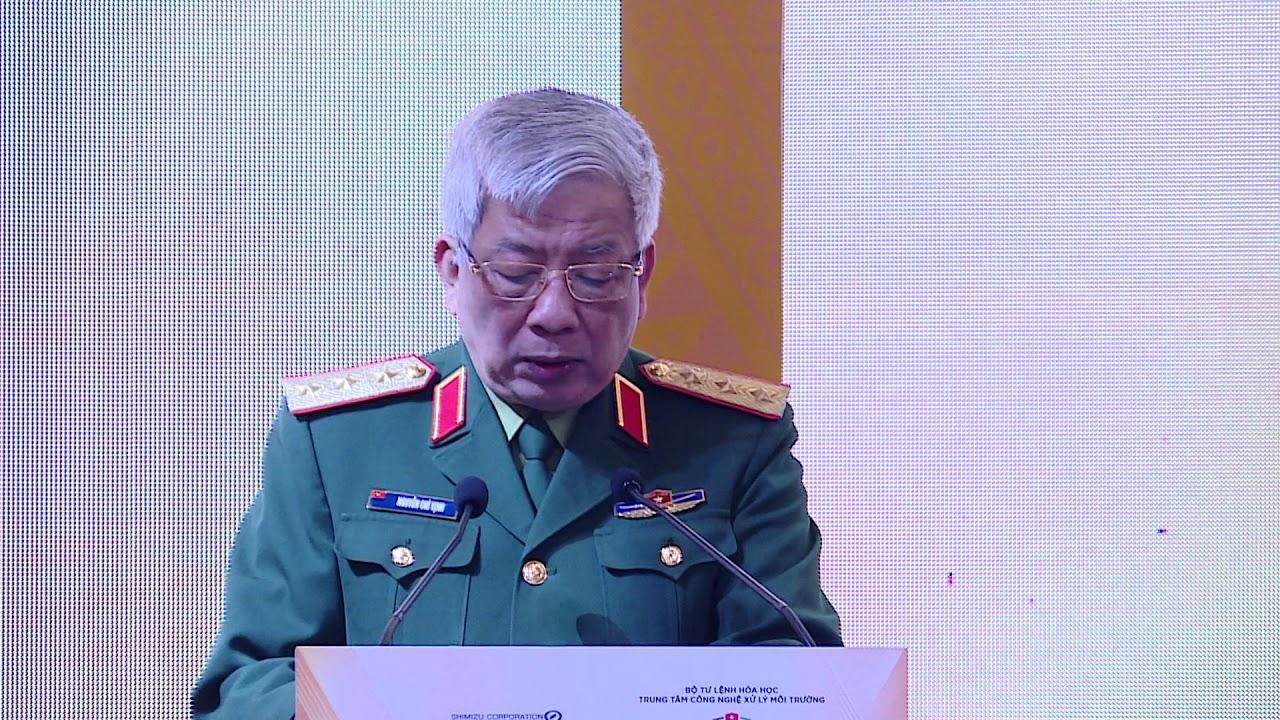
Vietnam has been actively addressing the environmental and health impacts of soil contamination, particularly due to the legacy of Agent Orange. This herbicide was extensively used during the Vietnam War, leading to long-term ecological damage and health issues for the local population. In recent years, Vietnam has made significant strides in soil contamination treatment, with a notable effort in the treatment of 150,000 cubic meters of contaminated soil. This initiative is part of a broader strategy to reduce the levels of toxic chemicals in the soil, aiming to mitigate their adverse effects on both the ecosystem and human health. The treatment processes employed are designed to restore the soil quality and ensure a safer environment for the communities affected by these contaminants.
The collaboration between Vietnam and the United States has also played a crucial role in these efforts. A landmark cooperation occurred at Da Nang International Airport, where the U.S. became involved in cleaning up Agent Orange for the first time. This partnership highlights the ongoing commitment to addressing the consequences of past conflicts and improving environmental conditions. The treatment of contaminated soil is not only a technical challenge but also a vital step towards healing the wounds of the past and ensuring a healthier future for the Vietnamese people. The ongoing efforts reflect a growing recognition of the importance of environmental remediation in promoting public health and restoring ecosystems.
#mooflife
#MomentOfLife
#Vietnam
#SoilContamination
#AgentOrange
#EnvironmentalRemediation
#PublicHealth

Explore the Life Moments of
 AI Twin