Vietnam War and the Paris Peace Accords
Vietnam
War
Vietnam
3 min read
Updated By: History Editorial Network (HEN)
Published:
Updated:
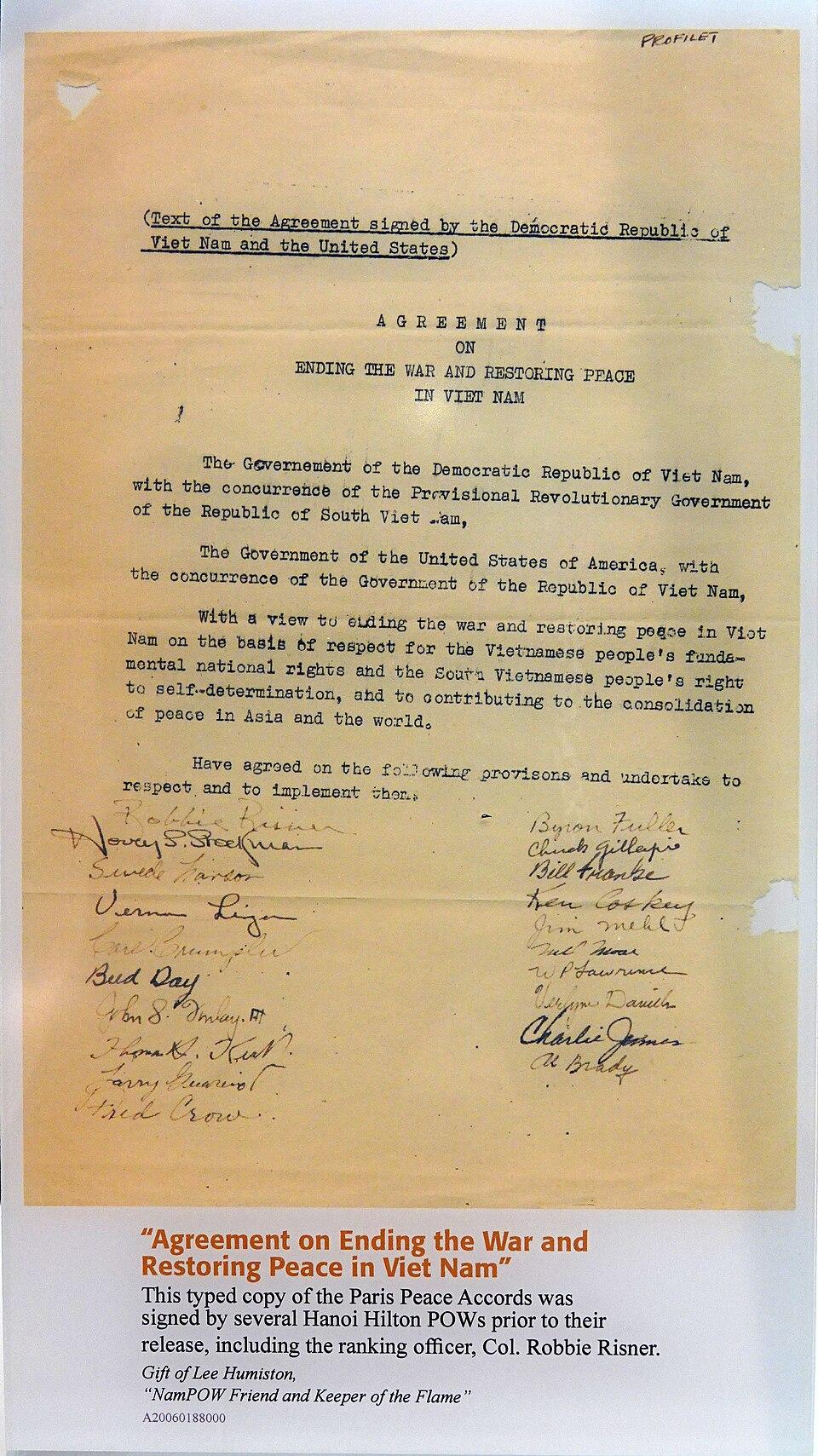
The Vietnam War, a prolonged conflict involving North Vietnam and its allies against South Vietnam and the United States, culminated in the signing of the Paris Peace Accords. These accords aimed to establish peace in Vietnam and facilitate the withdrawal of U.S. troops. By the time the accords were signed, U.S. military involvement had significantly decreased, with most troops having withdrawn from Vietnam. The accords stipulated a ceasefire and the withdrawal of remaining U.S. forces, but they were not fully adhered to, leading to continued hostilities between the North and South. Despite the intentions of the accords, fighting persisted, ultimately resulting in the 1975 spring offensive by the People's Army of Vietnam (PAVN). This offensive led to the fall of Saigon, effectively marking the end of the Vietnam War and the reunification of Vietnam under communist control. The aftermath of the war had profound implications, including significant loss of life, widespread destruction, and long-term effects on U.S. foreign policy and military engagement in Southeast Asia. The accords are often viewed as a failure in achieving lasting peace, as they did not prevent the eventual collapse of the South Vietnamese government and the unification of Vietnam under a communist regime.
#mooflife
#MomentOfLife
#VietnamWar
#ParisPeaceAccords
#U.s.MilitaryWithdrawal
#Pavn
#VietnamReunification
Explore the Life Moments of
 AI Twin