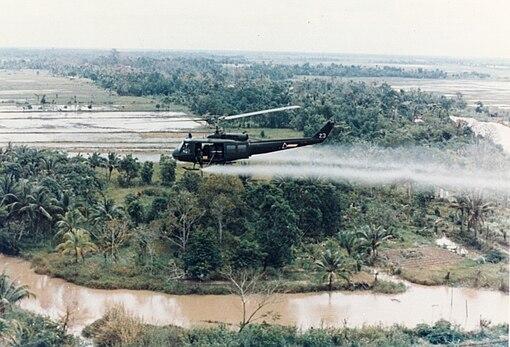
Use of Chemical Defoliants in Vietnam War
Vietnam
Environmental Impact
Military History
Health and Safety
4 min read
Updated By: History Editorial Network (HEN)
Published:
Updated:
The use of chemical defoliants during the Vietnam War was a controversial tactic employed by the US military between 1961 and 1971. Approximately 20 million gallons of toxic herbicides, including the notorious Agent Orange, were sprayed over 6 million acres of forests and agricultural land in Vietnam. The primary objective of this operation was to eliminate the dense foliage that provided cover for the Viet Cong, thereby preventing them from concealing weaponry and establishing encampments. Additionally, the defoliation aimed to disrupt food supplies for the enemy. The operation resulted in extensive environmental damage, with estimates indicating that 20% of South Vietnam's jungles and between 20% to 36% of its mangrove forests were destroyed. This widespread ecological devastation had lasting repercussions on the region's biodiversity and ecosystem stability.
The health impacts of chemical defoliants have been profound and enduring. Both Vietnamese civilians and US military personnel exposed to these herbicides have reported a range of serious health issues, including immune system disorders, developmental abnormalities, and reproductive health problems. Notably, birth defects such as spina bifida have been linked to exposure to Agent Orange. In response to the contamination, cleanup efforts commenced in 2012, with collaborative initiatives between the US and Vietnam aimed at treating affected soil. Despite these efforts, the US government has consistently denied definitive scientific evidence connecting Agent Orange to the health problems experienced by Vietnamese victims, leading to ongoing debates and legal challenges regarding accountability and compensation for those affected.
#mooflife
#MomentOfLife
#VietnamWar
#AgentOrange
#ChemicalDefoliants
#HealthImpacts
#EnvironmentalDestruction

Explore the Life Moments of
 AI Twin