US Recognition of State of Vietnam
Vietnam
Historical Events
International Relations
Cold War
3 min read
Updated By: History Editorial Network (HEN)
Published:
Updated:
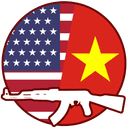
The US recognition of the State of Vietnam marked a pivotal moment in the geopolitical landscape of Southeast Asia. Following the recognition of the Democratic Republic of Vietnam by communist China and the Soviet Union, the United States acknowledged the French-backed State of Vietnam, headquartered in Saigon, as the legitimate government. This decision was influenced by the broader context of the Cold War, particularly the outbreak of the Korean War, which heightened fears among US policymakers regarding the spread of communism in the region. The recognition was part of a strategic effort to counter perceived communist expansionism, which was believed to be orchestrated by the Soviet Union. By aligning with the State of Vietnam, the US aimed to bolster its influence in Indochina and support the French colonial efforts against the communist-led resistance in the region. This alignment set the stage for increased American involvement in Vietnam, ultimately leading to a more significant military presence and a complex conflict that would unfold over the following decades. The US's decision to recognize the State of Vietnam not only reflected its commitment to containing communism but also had lasting implications for US foreign policy and the political dynamics within Vietnam itself.
#mooflife
#MomentOfLife
#UsRecognition
#StateOfVietnam
#ColdWar
#VietnamWar
#GeopoliticalImpact
Explore the Life Moments of
 AI Twin