US Congress Resolution After Gulf of Tonkin Incident
Vietnam
Politics
Military
4 min read
Updated By: History Editorial Network (HEN)
Published:
Updated:
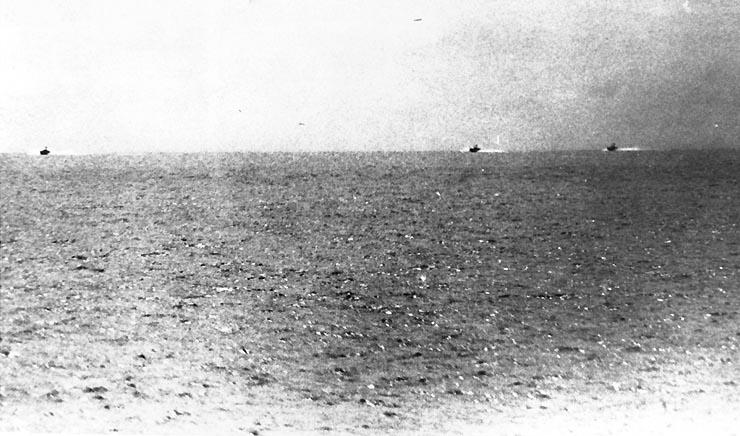
The Gulf of Tonkin incident involved two separate confrontations between North Vietnamese forces and the United States in the waters of the Gulf of Tonkin. This incident prompted a significant shift in U.S. military policy in Vietnam. Following the events, the U.S. Congress passed a resolution that granted President Lyndon B. Johnson the authority to escalate military involvement without the need for a formal declaration of war. This resolution marked a pivotal moment in U.S. foreign policy, as it allowed for a rapid increase in military operations in Vietnam. The resolution was justified by the administration as a necessary response to perceived aggression from North Vietnam, which was believed to threaten U.S. interests in the region.
The impact of the Gulf of Tonkin Resolution was profound, leading to a dramatic escalation of U.S. military presence in Vietnam. Following the resolution, President Johnson initiated a bombing campaign against North Vietnam and significantly increased the number of combat troops deployed to the region. By the mid-1960s, troop levels had surged to 184,000, and this number continued to rise, reaching 536,000 by the end of the decade. This escalation contributed to a prolonged conflict that resulted in substantial military and civilian casualties, as well as significant political and social ramifications both in the United States and Vietnam. The Gulf of Tonkin incident and the subsequent resolution are often cited as critical factors that deepened U.S. involvement in the Vietnam War, shaping the course of American foreign policy for years to come.
#mooflife
#MomentOfLife
#GulfOfTonkin
#UsCongressResolution
#LyndonB.Johnson
#VietnamWar
#MilitaryEscalation
Explore the Life Moments of
 AI Twin