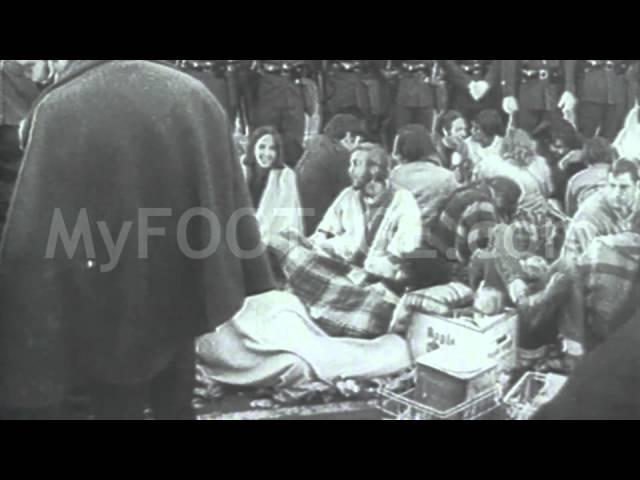
Protests Against the Vietnam War at Pentagon
Vietnam
Politics
Social Movements
4 min read
Updated By: History Editorial Network (HEN)
Published:
Updated:
The protests against the Vietnam War at the Pentagon were organized by the National Mobilization Committee to End the War in Vietnam, a coalition that sought to unite various groups opposed to U.S. anti-communism and imperialism. This movement was particularly significant for those involved with the New Left, which was a political movement that emerged in the 1960s advocating for social justice, civil rights, and opposition to the Vietnam War. The March on the Pentagon was a pivotal event that aimed to draw attention to the growing discontent with U.S. military involvement in Vietnam. The demonstrators called for the unilateral withdrawal of U.S. troops, reflecting a broader anti-war sentiment that was gaining traction across the country. The event attracted thousands of participants, showcasing the widespread opposition to the war and the desire for peace.
The impact of the protests was profound, as they not only highlighted the divisions within American society regarding foreign policy but also galvanized public opinion against the war. The demonstrations at the Pentagon were part of a larger wave of anti-war activism that included sit-ins, teach-ins, and other forms of civil disobedience. These actions contributed to a growing awareness of the human costs of the war, both for American soldiers and Vietnamese civilians. Statistics indicate that public support for the war declined significantly in the years following these protests, as more Americans began to question the justification for U.S. involvement in Vietnam. The protests at the Pentagon thus played a crucial role in shaping the discourse around the Vietnam War and influenced subsequent policy decisions regarding military engagement.
#mooflife
#MomentOfLife
#VietnamWar
#PentagonProtests
#Anti-warMovement
#NewLeft
#U.s.MilitaryWithdrawal

Explore the Life Moments of
 AI Twin