Nixon's Troop Withdrawal and ARVN Build-Up
Vietnam
Politics
Military
3 min read
Updated By: History Editorial Network (HEN)
Published:
Updated:
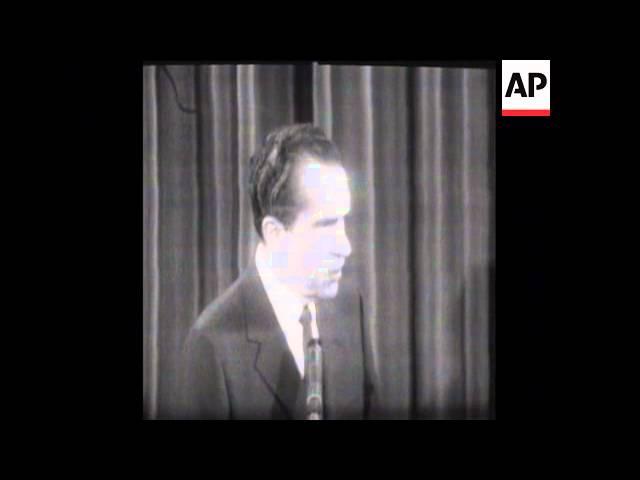
Nixon's troop withdrawal strategy, initiated in 1969, aimed to reduce American military presence in Vietnam while simultaneously strengthening the Army of the Republic of Vietnam (ARVN). This approach, termed 'Vietnamization', sought to enable the ARVN to assume full responsibility for the defense of South Vietnam. The strategy emerged in response to the changing dynamics of the Vietnam War, particularly after the North Vietnamese Army (PAVN) and Viet Cong (VC) had recovered from significant losses incurred during previous military engagements. As the PAVN and VC adapted their tactics to avoid direct confrontation, U.S. military operations under General Creighton Abrams focused on disrupting enemy logistics and enhancing the effectiveness of the ARVN through improved coordination and firepower. This shift in strategy reflected a broader recognition of the need for South Vietnamese forces to take a more active role in their own defense, as U.S. forces began to draw down. The implementation of Vietnamization was marked by a gradual transfer of military responsibilities, with the goal of achieving a stable and self-sufficient South Vietnam capable of resisting communist advances without direct U.S. military support. The effectiveness of this strategy has been debated, as it faced challenges including corruption within the ARVN and ongoing military pressure from the North Vietnamese forces.
#mooflife
#MomentOfLife
#VietnamWar
#NixonAdministration
#Vietnamization
#Arvn
#MilitaryStrategy

Explore the Life Moments of
 AI Twin