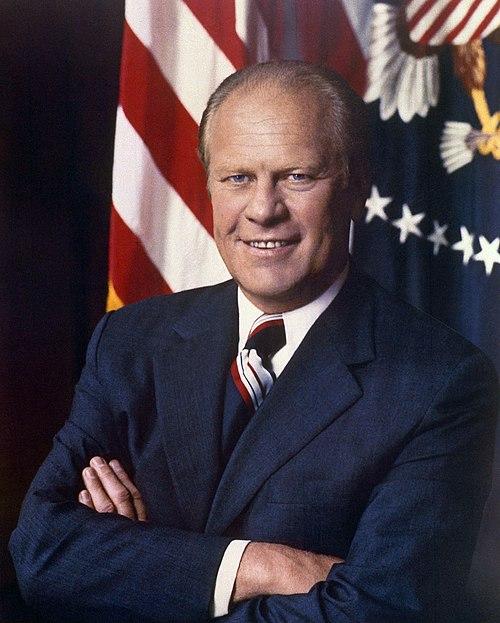
Gerald Ford Becomes US President
Vietnam
US History
Political Events
Vietnam War
4 min read
Updated By: History Editorial Network (HEN)
Published:
Updated:
Gerald Ford assumed the presidency during a tumultuous period in American history, marked by the ongoing Vietnam War and significant political challenges. His presidency began in the aftermath of the Watergate scandal, which had led to the resignation of Richard Nixon. Ford's leadership was characterized by efforts to restore public confidence in the government and to navigate the complexities of U.S. foreign policy, particularly in relation to Vietnam. The situation in South Vietnam was deteriorating, with increased military clashes and a significant rise in casualties among South Vietnamese forces. In January 1974, South Vietnamese President Nguyễn Văn Thiệu announced that the war had resumed, effectively nullifying the Peace Accords that had been established earlier. This escalation in conflict coincided with Ford's presidency, placing additional pressure on his administration to respond to the crisis.
As Ford took office, Congress made critical decisions regarding U.S. financial support for South Vietnam. The annual financial aid was reduced from $1 billion to $700 million, reflecting a shift in congressional priorities and a growing reluctance to continue extensive military involvement in the region. Funding restrictions were implemented, with plans for a complete cutoff by the following year. This reduction in aid had profound implications for South Vietnam's ability to sustain its military efforts against the North, contributing to the eventual collapse of the South Vietnamese government. Ford's presidency thus became a pivotal point in U.S. involvement in Vietnam, as the nation grappled with the consequences of its foreign policy decisions and the realities of a changing geopolitical landscape.
#mooflife
#MomentOfLife
#GeraldFord
#UsPresidency
#VietnamWar
#Congress
#ForeignPolicy

Explore the Life Moments of
 AI Twin