Attack on U.S. Army Base and Operation Rolling Thunder
Vietnam
Military History
Vietnam War
Cold War Operations
3 min read
Updated By: History Editorial Network (HEN)
Published:
Updated:
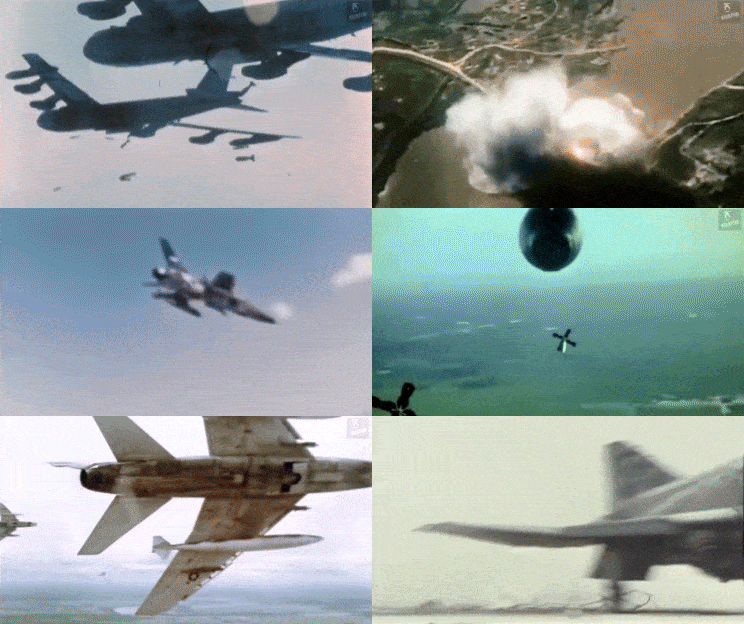
The attack on a U.S. Army base marked a pivotal escalation in the Vietnam War, prompting a series of airstrikes known as Operation Rolling Thunder. This operation commenced during a state visit by Soviet Premier Alexei Kosygin to North Vietnam, highlighting the geopolitical tensions of the era. Operation Rolling Thunder was designed to apply sustained aerial bombardment against North Vietnam, with the primary objective of compelling the North Vietnamese government to halt its support for the Viet Cong (VC) insurgency in South Vietnam. The campaign aimed to dismantle North Vietnam's air defenses and infrastructure, thereby weakening its military capabilities.
Over the course of three years, Operation Rolling Thunder unleashed approximately one million tons of ordnance, including missiles, rockets, and bombs, on North Vietnam. This extensive bombing campaign not only sought to disrupt the logistical and operational capabilities of the North Vietnamese forces but also aimed to bolster the morale of South Vietnamese troops and civilians. The impact of these operations was profound, as they intensified the conflict and contributed to the growing anti-war sentiment in the United States. The extensive use of aerial bombardment during this period raised questions about the effectiveness and ethical implications of such military strategies, shaping the discourse around U.S. involvement in Vietnam.
#mooflife
#MomentOfLife
#VietnamWar
#OperationRollingThunder
#U.s.Army
#NorthVietnam
#MilitaryStrategy

Explore the Life Moments of
 AI Twin