Transitioning Fantasy VII to a New Era
Gaming
Fantasy VII
Square Enix
3 min read
Updated By: History Editorial Network (HEN)
Published:
Updated:
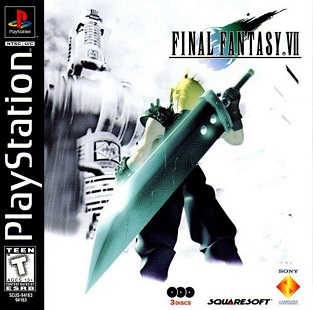
Final Fantasy VII marked a pivotal transition in the gaming industry, particularly for the role-playing game (RPG) genre. Developed by Square, the game was designed to leverage the capabilities of the PlayStation, which utilized CD-ROM technology. This allowed for a significant increase in storage capacity compared to traditional cartridges, enabling developers to include extensive content such as pre-rendered cutscenes and a more complex narrative. The shift from 2D to 3D graphics represented a major evolution in visual presentation, enhancing the immersive experience for players. This transition not only showcased the technical advancements of the PlayStation but also set a new standard for future RPGs, influencing game design and storytelling in the genre.
The impact of Final Fantasy VII extended beyond its immediate success. It played a crucial role in popularizing console RPGs among a broader audience, moving away from the niche market that had previously characterized the genre. The game's success contributed to Sony's rise in the gaming industry, allowing it to surpass competitors like Nintendo and Sega. Final Fantasy VII's innovative approach to gameplay, character development, and cinematic storytelling helped to redefine player expectations and experiences. The game has since sold millions of copies worldwide and remains a cultural touchstone, inspiring numerous remakes and adaptations, further solidifying its legacy in the gaming landscape.
#mooflife
#MomentOfLife
#FinalFantasyVii
#GamingHistory
#Role-playingGames
#Playstation
#VideoGameEvolution

Explore the Life Moments of
 AI Twin