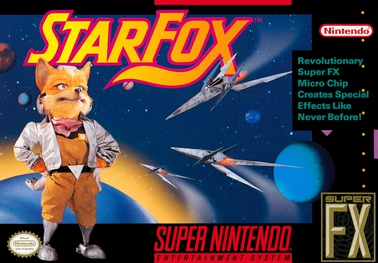
Nintendo Releases Star Fox with Super FX Chip
Video Games
Technology
Entertainment
4 min read
Updated By: History Editorial Network (HEN)
Published:
Updated:
Nintendo's release of Star Fox marked a pivotal advancement in video game graphics technology. The game was notable for incorporating the Super FX graphics co-processor chip directly into its cartridge. This innovation allowed the Super Nintendo Entertainment System (SNES) to render 3D graphics, which was a significant leap from the 2D graphics that dominated the gaming landscape at the time. The Super FX chip enabled the game to utilize polygonal rendering, which facilitated the creation of more complex and visually engaging environments and characters. Star Fox was not only a technical achievement but also introduced players to a new style of gameplay that combined fast-paced action with strategic elements, as players piloted the Arwing spacecraft through various missions in the Lylat system. The game's success demonstrated the potential of 3D graphics in home consoles and set a precedent for future titles in the genre.
The impact of Star Fox extended beyond its immediate success. It showcased the capabilities of the SNES and influenced the development of subsequent gaming systems, including the Nintendo 64, which featured built-in graphics coprocessors. The introduction of the Super FX chip also paved the way for other developers to explore 3D graphics in their games, leading to a broader acceptance of polygonal rendering in the industry. Star Fox's innovative approach to gameplay and graphics contributed to its lasting legacy, as it not only established a beloved franchise but also played a crucial role in the evolution of video game technology. The game has since been recognized as a classic, influencing numerous sequels and spin-offs, and remains a key reference point in discussions about the history of video games and their technological advancements.
#mooflife
#MomentOfLife
#Nintendo
#StarFox
#SuperFxChip
#3dGraphics
#VideoGameHistory

Explore the Life Moments of
 AI Twin