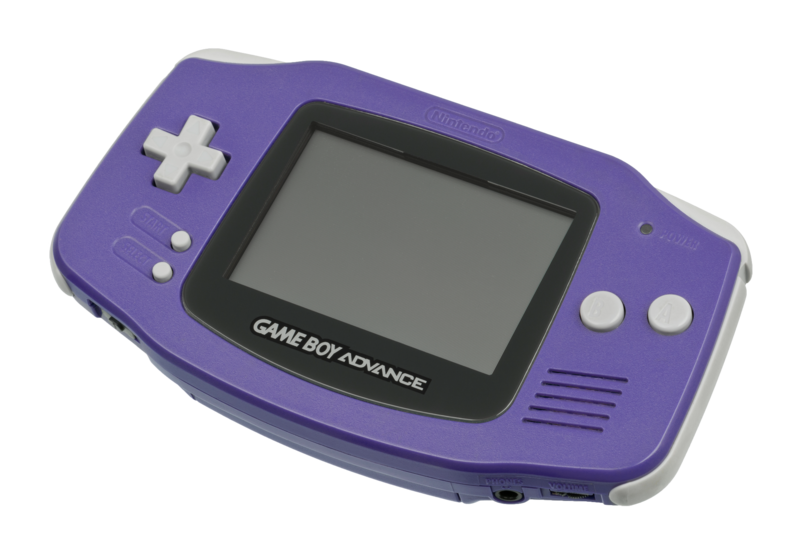
Nintendo Releases Game Boy Advance
Gaming
Technology
Entertainment
3 min read
Updated By: History Editorial Network (HEN)
Published:
Updated:
Nintendo's introduction of the Game Boy Advance marked a pivotal moment in the handheld gaming market. The device featured a high-resolution, full-color LCD screen and a 32-bit processor, which significantly enhanced the gaming experience compared to its predecessors. This technological advancement allowed for the porting of Super Nintendo Entertainment System (SNES) games and the development of simpler versions of titles from the Nintendo 64 and GameCube. The Game Boy Advance's capabilities not only attracted a wide range of gamers but also solidified Nintendo's dominance in the handheld gaming sector, which had been a competitive landscape with various emerging technologies and platforms.
The impact of the Game Boy Advance extended beyond its initial release, as it contributed to a robust library of games that appealed to both casual and dedicated gamers. The device supported a diverse range of genres, from platformers to role-playing games, which helped to broaden its audience. Sales figures indicated that the Game Boy Advance was a commercial success, with millions of units sold worldwide. This success reinforced Nintendo's strategy of focusing on portable gaming, setting the stage for future innovations in handheld consoles. The Game Boy Advance not only maintained Nintendo's market position but also laid the groundwork for subsequent handheld devices, influencing the design and functionality of future gaming systems.
#mooflife
#MomentOfLife
#Nintendo
#GameBoyAdvance
#HandheldGaming
#GamingHistory
#VideoGameConsoles

Explore the Life Moments of
 AI Twin