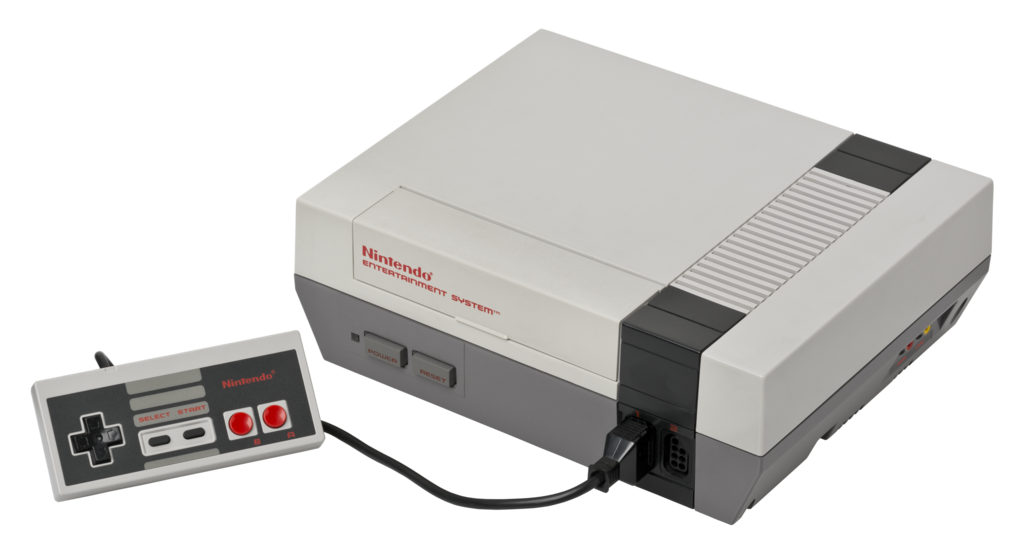
Launch of the Nintendo Entertainment System (NES) in the US
Video Games
Entertainment Technology
Consumer Electronics
4 min read
Updated By: History Editorial Network (HEN)
Published:
Updated:
The launch of the Nintendo Entertainment System (NES) marked a pivotal moment in the history of video gaming in the United States. Originally branded as the Famicom in Japan, the NES was introduced to the U.S. market with the intention of revitalizing a video game industry that had experienced a significant downturn. To enhance its appeal, Nintendo included accessories such as the Robotic Operating Buddy (R.O.B.), which aimed to present the NES as a more advanced and sophisticated gaming system compared to its predecessors. This strategic marketing approach helped to distinguish the NES from earlier home consoles that had contributed to the market's decline. The NES not only captured the interest of consumers but also played a crucial role in reshaping the perception of video games as a legitimate form of entertainment. As a result, the U.S. video game market experienced a remarkable resurgence, reaching a valuation of $5 billion within a few years of the NES's launch.
The impact of the NES extended beyond sales figures; it laid the foundation for the modern gaming industry. Over the course of its lifetime, more than 35 million NES systems were sold in the U.S., contributing to nearly 62 million units sold globally. This success established Nintendo as a dominant player in the gaming market and set the stage for future innovations in gaming technology and design. The NES introduced iconic franchises and characters that remain influential in the gaming world today. Its legacy is evident in the continued popularity of Nintendo's products and the ongoing evolution of video gaming as a whole. The NES not only revitalized the market but also transformed the cultural landscape, making video games a staple of entertainment for millions.
#mooflife
#MomentOfLife
#Nintendo
#Nes
#VideoGameHistory
#GamingIndustry
#RoboticOperatingBuddy

Explore the Life Moments of
 AI Twin