Victor Hugo's stance on abolition of slavery
France
Abolition of Slavery
Human Rights
Philosophy
4 min read
Updated By: History Editorial Network (HEN)
Published:
Updated:
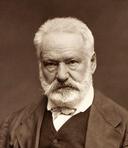
Victor Hugo, a prominent French writer and social activist, was a vocal advocate for the abolition of slavery. He believed that the existence of even a single slave undermined the freedom of all humanity. This perspective was rooted in his broader humanitarian philosophy, which emphasized the inherent dignity and rights of every individual. Hugo's commitment to this cause was evident in his public statements and artistic expressions. He famously supported the legacy of John Brown, an American abolitionist, by promoting his image through his artwork, 'Le Pendu'. This drawing served as a tribute to Brown's efforts in fighting against slavery and highlighted Hugo's belief in the importance of remembering those who sacrificed their lives for the liberation of others.
Hugo's advocacy for abolition was not merely a personal conviction but also a reflection of the growing abolitionist movement in Europe and America. His assertion that the abolition of slavery was the 'supreme goal of the thinkers' resonated with many intellectuals and activists of his time. The impact of his stance extended beyond literature; it contributed to the broader discourse on human rights and social justice. Hugo's writings and speeches inspired others to join the fight against slavery, emphasizing that the struggle for freedom was a collective responsibility. His legacy continues to influence contemporary discussions on human rights, reminding us that the fight against oppression remains relevant in today's society.
#mooflife
#MomentOfLife
#VictorHugo
#AbolitionOfSlavery
#HumanRights
#SocialJustice
#JohnBrown
Primary Reference
Victor Hugo
Explore the Life Moments of
 AI Twin