Hugo's Legacy as a National Hero
France
Biography
Literature
3 min read
Updated By: History Editorial Network (HEN)
Published:
Updated:
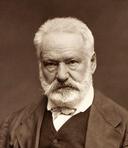
Victor Hugo, a prominent figure in French literature and politics, is often regarded as a national hero due to his profound impact on society and culture. His works, which include novels, poetry, and plays, addressed social issues such as poverty, justice, and human rights, resonating with the struggles of the common people. Hugo's advocacy for the marginalized and his opposition to the death penalty and social injustice positioned him as a voice for the voiceless. His literary contributions, particularly "Les Misérables" and "The Hunchback of Notre-Dame," not only showcased his artistic genius but also highlighted the socio-political landscape of his time, influencing generations of writers and thinkers.
The legacy of Hugo is evident in the way he is commemorated in France. His death prompted an unprecedented outpouring of public grief, culminating in a state funeral at the Panthéon in Paris. This event drew over two million attendees, marking it as the largest funeral in French history. The massive turnout reflected the deep respect and admiration the public held for him, solidifying his status as a national hero. Hugo's influence extends beyond literature; he is celebrated for his role in shaping modern French identity and values, and his works continue to inspire movements for social change around the world.
#mooflife
#MomentOfLife
#VictorHugo
#NationalHero
#FrenchLiterature
#SocialJustice
#CulturalImpact
Primary Reference
Victor Hugo
Explore the Life Moments of
 AI Twin