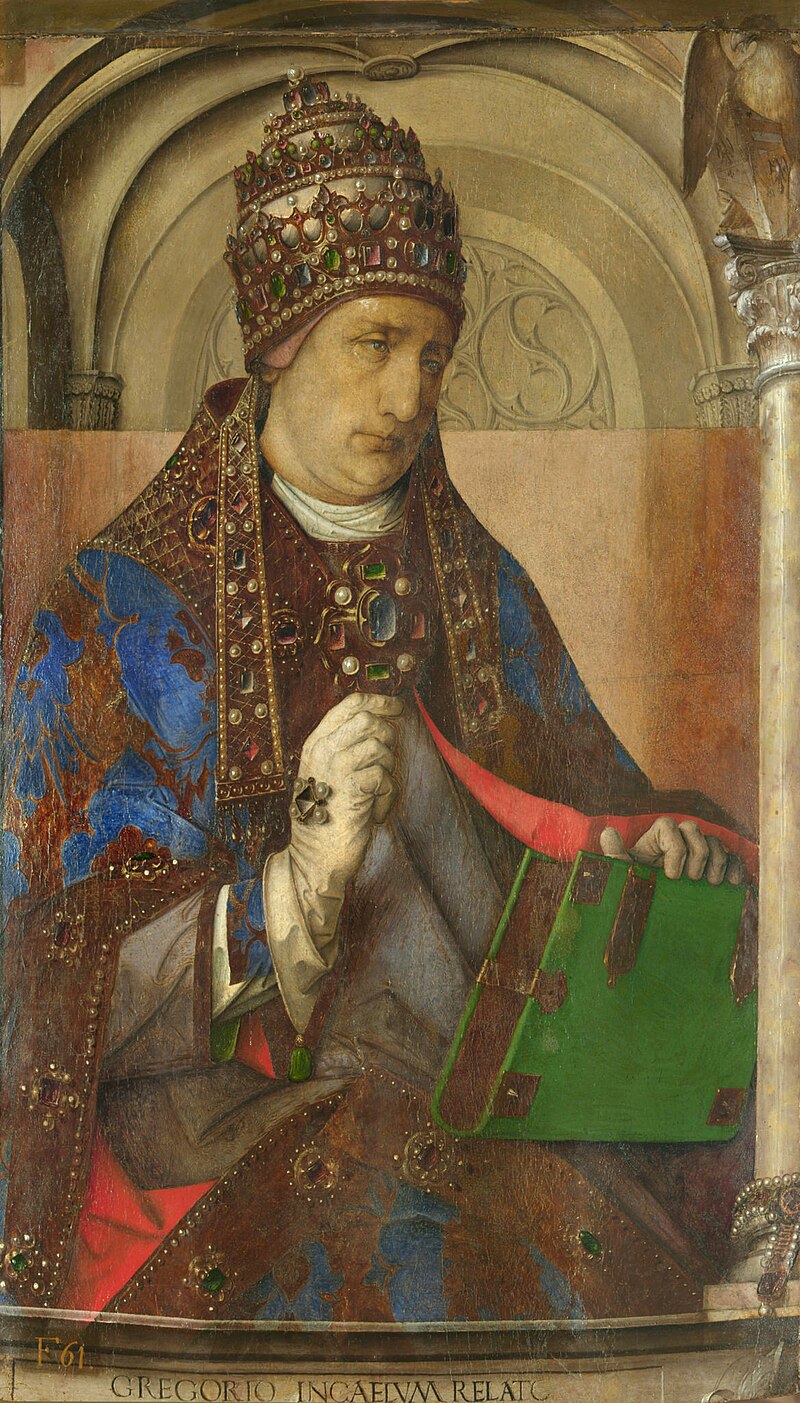
Pope Gregory XII Resignation Resolves Western Schism
Vatican City
Religious
4 min read
Updated By: History Editorial Network (HEN)
Published:
Pope Gregory XII's resignation marked a pivotal point in addressing the longstanding Western Schism within the Catholic Church. The Western Schism, a period marked by division within the Church, began when two, and later three, different individuals simultaneously claimed to be the true pope. This fragmentation had both political and religious implications, severely weakening the authority and unity of the Church.
Pope Gregory XII, originally known as Angelo Correr, ascended to the papacy amidst this turbulence. His tenure was characterized by attempts to negotiate and find resolutions to the schism. These efforts culminated in the Council of Constance, a significant assembly aimed at restoring ecclesiastical unity. Under immense pressure from both religious and secular leaders, Gregory XII made a historic decision to resign.
His resignation on 4th of July was unprecedented in the history of the papacy. It was seen as a bold step towards mending the schism, as it paved the way for the council to depose or accept the resignation of all competing papal claimants, thereby enabling the election of a new pope. This ultimately resulted in the election of Martin V, who was widely recognized as the legitimate pope, signaling the end of the schism.
The impact of Gregory XII's resignation was profound. It restored a measure of unity to the Catholic Church, reestablishing the papal authority that had been compromised. Moreover, it showcased a commitment to self-sacrifice for the greater good of the Church, an act that reinforced papal credibility and moral authority in the eyes of many followers worldwide.
#MoofLife #WesternSchism #CatholicChurch #PapalResignation #VaticanCity #CouncilOfConstance #ChurchReunification #PopeGregoryXII
Primary Reference
Council of Constance - Wikipedia
Explore the Life Moments of
 AI Twin