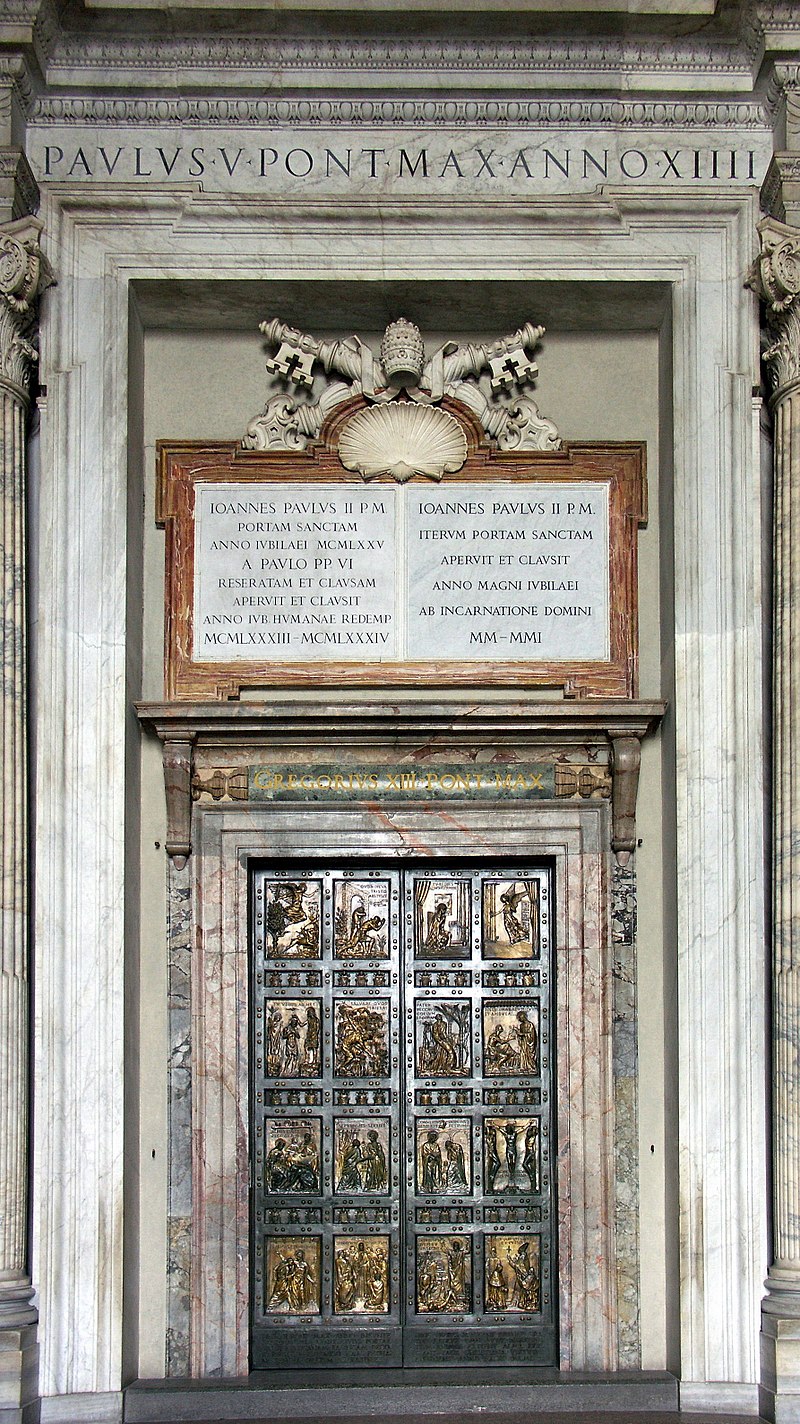
Pope Francis opens the Holy Door for the Jubilee Year of Mercy.
Vatican City
10 min read
Updated By: History Editorial Network (HEN)
Published:
On December 8, 2015, Pope Francis opened the Holy Door of St. Peter’s Basilica in Vatican City, officially inaugurating the Jubilee Year of Mercy. This event marked the beginning of a special year dedicated to mercy, compassion, and forgiveness within the Catholic Church. The Jubilee Year of Mercy was a significant initiative by Pope Francis to emphasize the central role of mercy in the Christian faith and to encourage all believers to live out this principle in their daily lives.
Background: The Concept of a Jubilee Year
In the Catholic tradition, a Jubilee Year is a special year of remission of sins and universal pardon. The concept is rooted in the biblical tradition, where every 50th year was declared a year of jubilee—a time of liberation, restitution, and forgiveness. The practice was first introduced in the Church by Pope Boniface VIII in 1300 and has since become an important aspect of Catholic spiritual life.
Typically, Jubilee Years are celebrated every 25 or 50 years, with the most recent ordinary Jubilee being the Great Jubilee of the year 2000. However, popes can declare extraordinary Jubilees to address specific themes or needs within the Church.
The Announcement of the Jubilee Year of Mercy
Pope Francis announced the Jubilee Year of Mercy on March 13, 2015, during a penitential service in St. Peter’s Basilica. This announcement came as a surprise to many, as it was an extraordinary Jubilee, not scheduled according to the usual 25-year cycle. The theme of mercy was central to Pope Francis’s papacy, reflecting his desire to focus on the compassion and forgiveness that lie at the heart of the Gospel message.
In his papal bull Misericordiae Vultus ("The Face of Mercy"), Pope Francis outlined the purpose and goals of the Jubilee Year of Mercy. He emphasized that mercy is "the very foundation of the Church's life" and that this Jubilee was a time for the Church to reach out to those in need, to forgive sins, and to renew the commitment to living out Christ’s teachings of love and compassion.
The Opening of the Holy Door
The Holy Door, located at St. Peter’s Basilica, is traditionally opened only during a Jubilee Year. The opening of this door is a powerful symbol of entering into a special time of grace and spiritual renewal. On December 8, 2015, the Feast of the Immaculate Conception, Pope Francis opened the Holy Door, marking the official start of the Jubilee Year of Mercy.
This act was laden with symbolism, as the date also coincided with the 50th anniversary of the closing of the Second Vatican Council, a historic moment in the Church’s history that emphasized renewal and openness to the modern world.
After the opening of the Holy Door at St. Peter’s, similar doors were opened in basilicas and cathedrals around the world, including at the major basilicas in Rome and in dioceses worldwide. This allowed Catholics globally to participate in the Jubilee by making pilgrimages to these holy sites and passing through the Holy Doors, which symbolized the passage from sin to grace.
Themes and Activities During the Jubilee Year of Mercy
The Jubilee Year of Mercy focused on several key themes and activities:
Corporal and Spiritual Works of Mercy:
Pope Francis encouraged Catholics to practice the corporal and spiritual works of mercy, which include feeding the hungry, sheltering the homeless, visiting the sick, and forgiving offenses. These acts of mercy were emphasized as practical ways to live out the teachings of Jesus.
Reconciliation and Forgiveness:
The Sacrament of Reconciliation (Confession) was highlighted as a crucial aspect of the Jubilee. Pope Francis encouraged the faithful to seek forgiveness for their sins and to offer forgiveness to others. Special initiatives, such as the "Missionaries of Mercy," were established to reach out to those who felt distant from the Church.
Pilgrimage:
Pilgrimage played a significant role in the Jubilee Year, with Catholics encouraged to make pilgrimages to Rome, as well as to local cathedrals and designated Jubilee churches. Passing through the Holy Door was an act of spiritual significance, symbolizing the journey towards a deeper relationship with God.
Interfaith Dialogue and Social Justice:
The Jubilee Year of Mercy also sought to promote interfaith dialogue and social justice. Pope Francis called on the Church to engage with people of other faiths and to work together to address social issues such as poverty, inequality, and the plight of refugees.
Conclusion of the Jubilee Year
The Jubilee Year of Mercy concluded on November 20, 2016, the Feast of Christ the King. On that day, Pope Francis closed the Holy Door at St. Peter’s Basilica, symbolizing the end of the extraordinary Jubilee. However, the pope emphasized that the spirit of mercy should continue to permeate the life of the Church and the actions of all Catholics.
Legacy and Impact
The Jubilee Year of Mercy had a profound impact on the Catholic Church and its faithful. It reinforced the importance of mercy as a cornerstone of Christian life and inspired numerous acts of charity, reconciliation, and solidarity. The themes of mercy and compassion that were highlighted during the Jubilee have continued to influence Pope Francis’s papacy and the global Catholic community.
The Jubilee also served as a reminder of the Church’s mission to be a source of mercy and healing in a world often marked by division and suffering. It encouraged Catholics to embody the values of forgiveness, love, and service, thereby making the message of the Gospel more tangible in the modern world.
#MomentsOfLife #MoofLife_Moment #MoofLife #PopeFrancis #JubileeYearOfMercy #HolyDoor #CatholicChurch #VaticanCity #Christianity #YearOfMercy
Primary Reference
Diocesan Holy Doors will not be feature of Jubilee 2025, Vatican ...
Explore the Life Moments of
 AI Twin