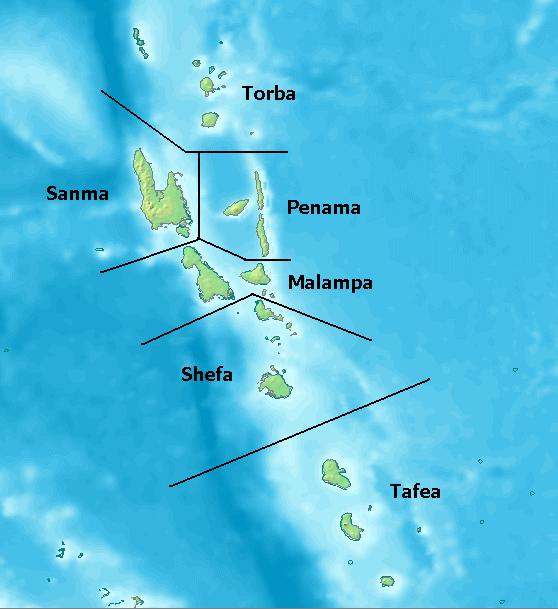
Vanuatu's Six Province Division: Improving Governance and Regional Representation
Vanuatu
Global Trade
Economic Downturn
4 min read
Updated By: History Editorial Network (HEN)
Published:
Updated:
The division of Vanuatu into six provinces occurred following the process of redefining administrative boundaries to improve governance and regional representation. This restructuring involved grouping various islands and deriving the province names from the initial letters of their principal islands. The provinces created were Malampa (Malakula, Ambrym, Paama), Penama (Pentecost, Ambae, Maewo), Sanma (Santo, Malo), Shefa (Shepherds, Efate), Tafea (Tanna, Aniwa, Futuna, Erromango, Aneityum), and Torba (Torres, Banks).
The reorganization aimed to streamline administrative procedures and ensure equitable resource distribution across the islands. With a total population exceeding 200,000 inhabitants, as per demographics, the provincial division fostered localized governance, facilitating more efficient service delivery and infrastructure development.
Economically, the provinces benefitted from focused developmental strategies tailored to their specific needs. This structural shift enabled targeted approaches in crucial sectors like agriculture, fisheries, tourism, and education. Local leaders were better positioned to address community concerns, fostering a sense of ownership and participation among the residents.
The impact of this division was evident in the improved coordination between the provincial and national governments. It enhanced the capability to manage natural resources, disaster responses, and cultural preservation efforts. The alignment of province names with island initials also simplified administrative processes and fostered a clearer regional identity among the inhabitants.
#VanuatuGovernance #RegionalDevelopment #AdministrativeChanges #MoofLife

Explore the Life Moments of
 AI Twin